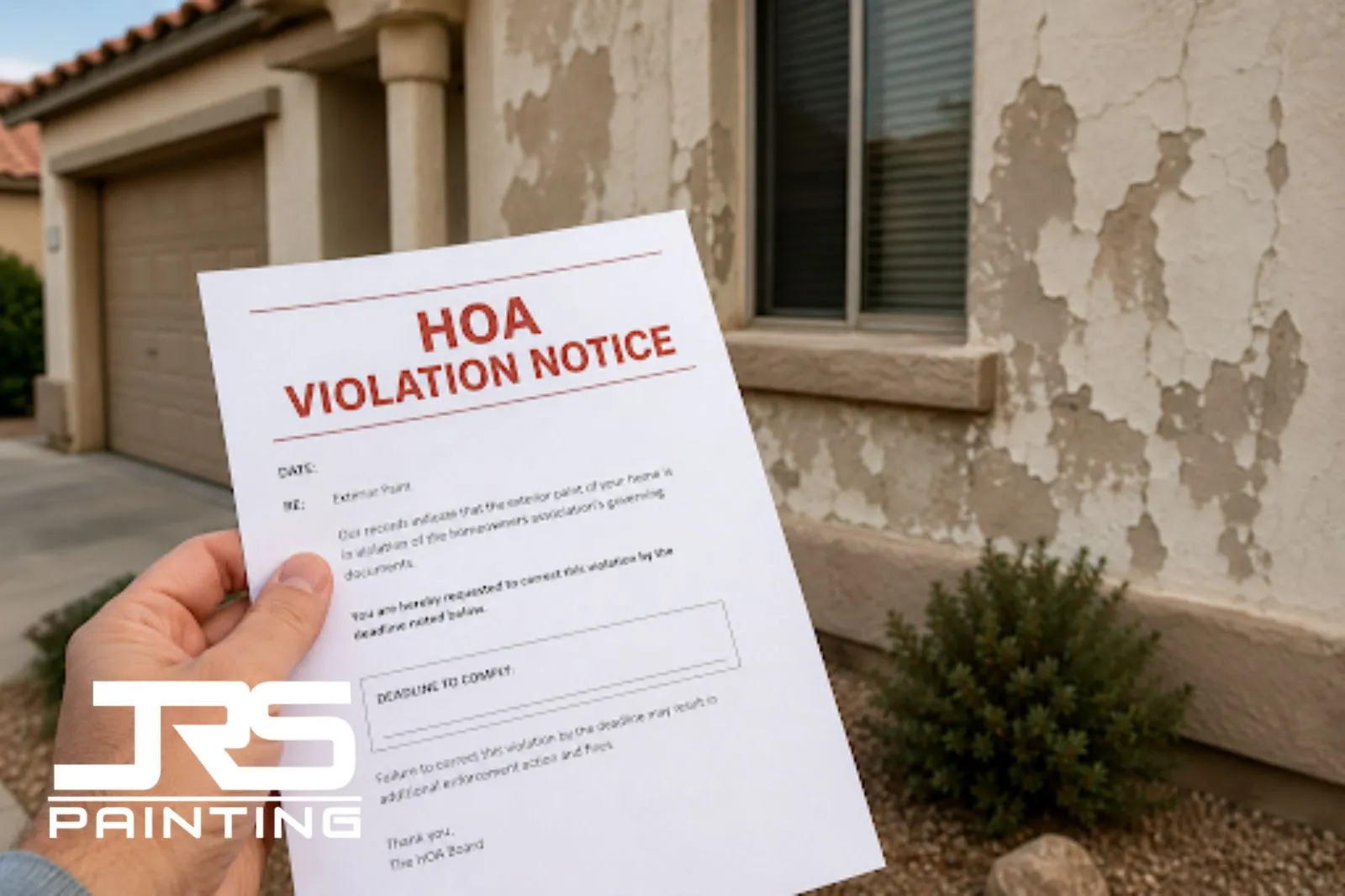
Getting a paint violation notice from your HOA is stressful, but it does not have to turn into a crisis. Most violations come down to faded paint, peeling surfaces, or missing an approval step, and nearly all of them are fixable if you act quickly and follow the right process.
Phoenix-area HOAs tend to enforce exterior appearance standards more strictly than communities in other parts of the country. The intense UV exposure here accelerates paint wear, and associations respond by setting tighter repaint timelines and requiring formal color approvals. That is the environment homeowners are working in.
This guide walks through what the notice actually means, what to do first, how the approval process works, and what to do to keep it from happening again.
What an HOA Paint Violation Notice Usually Means
Common Reasons Homeowners Receive Paint Violations
Paint violations in HOA communities typically fall into a few familiar categories. The most common involve deterioration that is visible from the street, though unapproved color changes also generate a significant share of notices.
- Sun-faded paint that has lost its original depth or sheen
- Peeling, bubbling, or chalking surfaces
- Trim or fascia showing visible deterioration
- Unpatched stucco repairs left with a different color or texture
- Painting without submitting an architectural review request
- Using colors outside the approved palette
Why Arizona HOAs Enforce Exterior Paint Standards
Phoenix-area HOAs enforce paint standards for reasons that go beyond aesthetics. Neighborhood consistency affects property values across the entire community, not just the home in violation. When one exterior starts to look significantly worse than its neighbors, the surrounding homes feel it at appraisal time.
Arizona’s climate accelerates this dynamic. Exterior paint degrades faster here than nearly anywhere else in the country due to UV intensity, monsoon moisture cycling, and triple-digit heat. HOAs understand this and set repaint timelines accordingly, often more aggressively than homeowners expect.
What Happens If You Ignore the Notice
Ignoring a violation notice does not make it go away. Most HOAs follow a structured escalation process after the initial notice period expires.
- Reinspection fees added to the account
- Escalating fines for each compliance cycle missed
- Formal hearings before the HOA board
- Liens placed on the property in severe cases
First Steps to Take After Receiving the Notice
Read the Deadline Carefully
The deadline is the most important piece of information in the notice. Some Phoenix-area HOAs give homeowners as few as 15 to 30 days to respond or begin work. That window can pass quickly when you factor in contractor availability and any approval wait times.
Note whether the deadline requires full completion, or just proof that you have initiated the process. These are different requirements, and confusing them is a common source of additional fines.
Review Your HOA’s Paint Guidelines
Before selecting a color or hiring anyone, locate your HOA’s current architectural guidelines. These documents specify the approved color palette, acceptable paint finishes, and the formal submission process for a repaint. If the version you have is more than a year old, request an updated copy from the management office because palettes do get revised.
Inspect the Actual Condition of the Home
Walk the full perimeter and look at the exterior through the HOA’s eyes. Photograph any fading, peeling, stucco damage, caulking separation, or trim deterioration. These photos serve two purposes: they document the current state before work begins, and they help contractors give accurate estimates without unnecessary back-and-forth.
Do Not Rush Into Painting Yet
The instinct to repaint immediately is understandable, but painting before getting HOA approval can make the situation significantly worse. If the color selected is not on the approved palette, the HOA can require repainting again at the homeowner’s expense.
Get the approval process underway first. Painting comes after.
How the HOA Paint Approval Process Usually Works
Submitting an Architectural Review Request
Most HOAs require a formal Architectural Review Committee (ARC) submission before any exterior color change. A complete application typically includes the paint colors selected from the approved palette, the paint brand and finish type, current photos of all elevations, and any HOA-specific forms the management company requires.
Incomplete applications are a frequent source of delays. Submitting everything upfront in a single package moves the process faster.
Why Some Applications Get Rejected
Common rejection reasons include selecting colors outside the approved range, submitting the wrong form version, leaving fields incomplete, or using a palette that has since been updated. The HOA is not trying to be difficult; the process exists to maintain consistency across the community.
If an application comes back rejected, request a written explanation. The specific reason determines how quickly it can be corrected and resubmitted.
How Long Approval Typically Takes
Review timelines vary by HOA. Some Phoenix-area communities have a standing ARC committee that meets weekly. Others review applications monthly. Starting the submission process within the first few days of receiving the violation notice gives the best chance of staying ahead of the compliance deadline.
Can You Request an Extension?
Extensions are possible in many HOA communities, but they are not automatic. Homeowners who have already submitted their ARC application and can demonstrate they are actively working toward completion are in a much stronger position to request one.
Valid reasons for an extension typically include waiting on ARC approval, documented contractor scheduling delays, or weather-related conditions preventing work. Submit any extension request in writing and keep a copy.
Choosing the Right Exterior Paint Colors for HOA Compliance
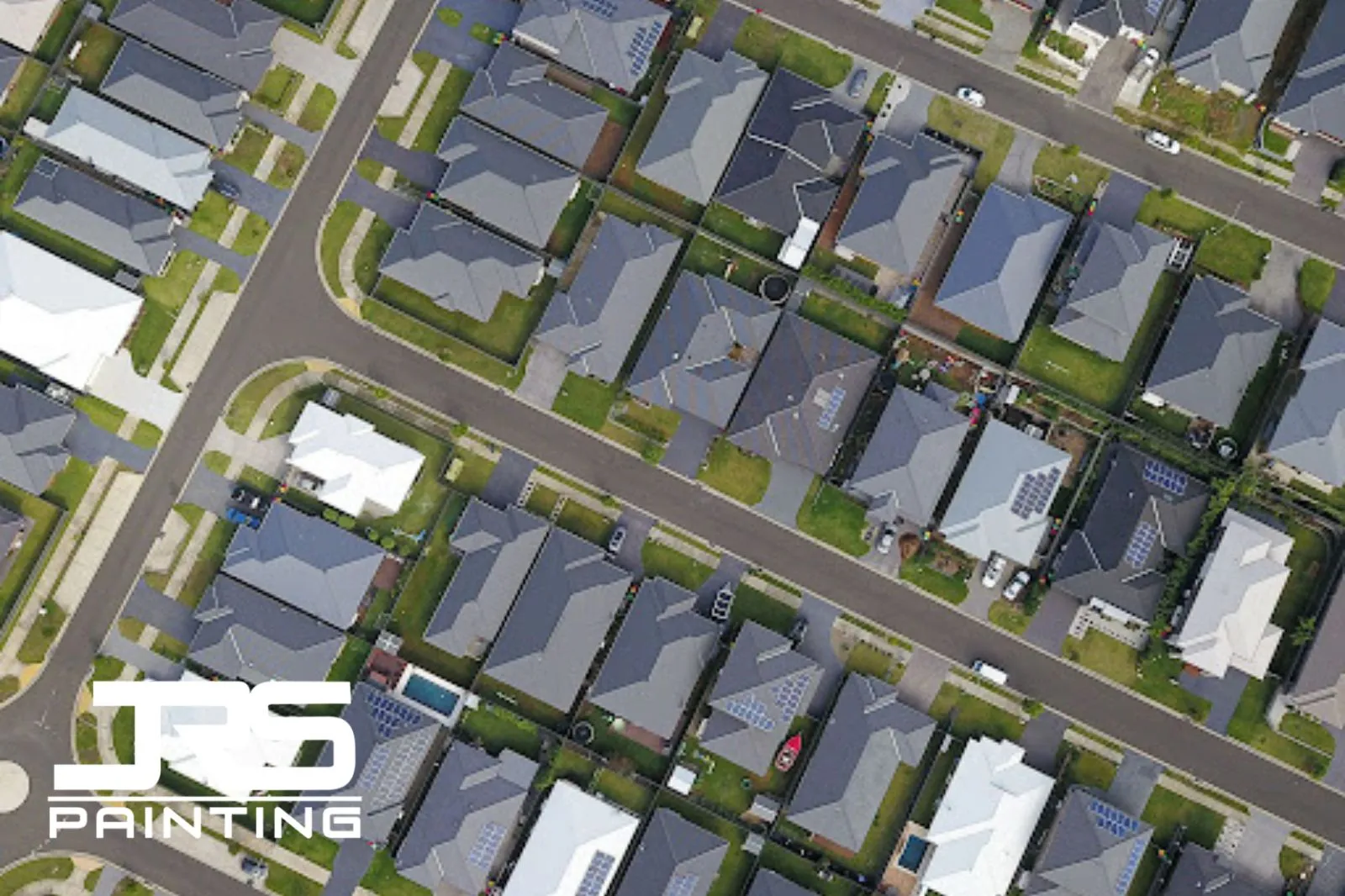
Why HOA-Approved Colors Still Need to Match the Home
Being on the approved list does not mean a color will look right on the home. Undertones matter. A color that appears neutral on a chip can read warm, cool, or muddy depending on the roof tile, stone accents, garage door, and stucco texture it is paired with.
Evaluate colors at different times of day and in the specific light conditions of the home’s orientation. North-facing walls read differently than south-facing ones in Phoenix’s intense sun.
Popular HOA-Friendly Exterior Colors in Phoenix
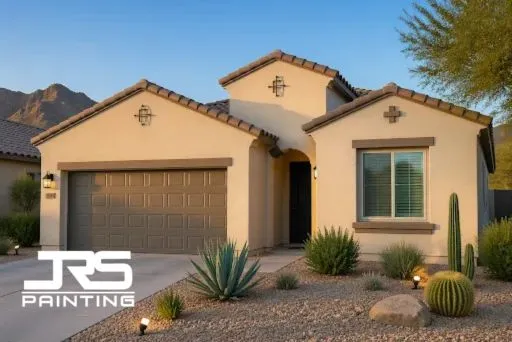
Most Phoenix-area HOA palettes lean toward colors that hold up well visually against desert terrain and strong sunlight. Warm neutrals, desert taupes, greige tones, and soft earth shades consistently appear across approved palettes in this region. These colors tend to have higher Light Reflectance Values (LRV), which helps them resist the washed-out look that darker shades can develop under intense UV exposure.
What Homeowners Often Get Wrong
Choosing a color that looks great in isolation is the most common mistake. The home’s paint does not exist in isolation. It sits next to a specific roof, stone veneer, and garage door, and it exists in the context of the surrounding street. Selecting trim and garage door colors as an afterthought rather than as part of a coordinated palette often produces results that feel off even when the main body color is attractive.
Should You Hire a Professional Painting Contractor?
How Contractors Help With HOA Compliance
Experienced painting contractors in the Phoenix area work with HOA communities regularly. They are familiar with common ARC requirements, can help document the condition of the home before submission, and often recognize which surfaces need repair before painting begins so those issues do not surface as new violations after the project is complete.
[INTERNAL LINK: anchor text = ‘benefits of hiring a licensed painter’ | target = /benefits-of-hiring-licensed-painter/]
Why Arizona Exterior Painting Requires Proper Prep
Skipping surface preparation is the fastest way to fail a post-paint inspection. Stucco surfaces in particular need to be fully cleaned, any cracks or damage repaired, and all loose or flaking material removed before primer or paint goes on. In Arizona’s climate, elastomeric coatings are often the right product choice for stucco because they expand and contract with temperature swings rather than cracking.
Questions to Ask Before Hiring a Painter
Not every contractor has experience navigating HOA compliance requirements. Before hiring, confirm the following:
- Do they have experience working in HOA communities in the Phoenix area?
- Are they licensed and insured in Arizona?
- Do they include surface preparation and stucco repair in their scope?
- What is their warranty on labor and materials?
- Can they work within the compliance timeline?
How to Avoid Future HOA Paint Violations
Watch for Early Signs of Paint Failure
Most paint violations do not happen overnight. Fading, chalking, caulking separation, and surface cracking give visible warning before an HOA inspector flags the property. Catching and addressing these signs early keeps homeowners in control of the timeline rather than reacting to a notice.
Keep HOA Paint Records
After any approved exterior painting project, save the color name, brand, Sherwin-Williams or Benjamin Moore paint code, the ARC approval letter, and the contractor invoice. These records simplify future submissions significantly and confirm the approved color if the home is ever inspected.
Repaint Before the HOA Forces the Issue
Proactive repainting is almost always the better financial decision. When a homeowner schedules a repaint on their own terms, there is time to get multiple bids, properly assess and repair the surface, and choose colors thoughtfully. Reactive repainting under a compliance deadline compresses every part of that process and often produces results that could have been better.
Final Thoughts
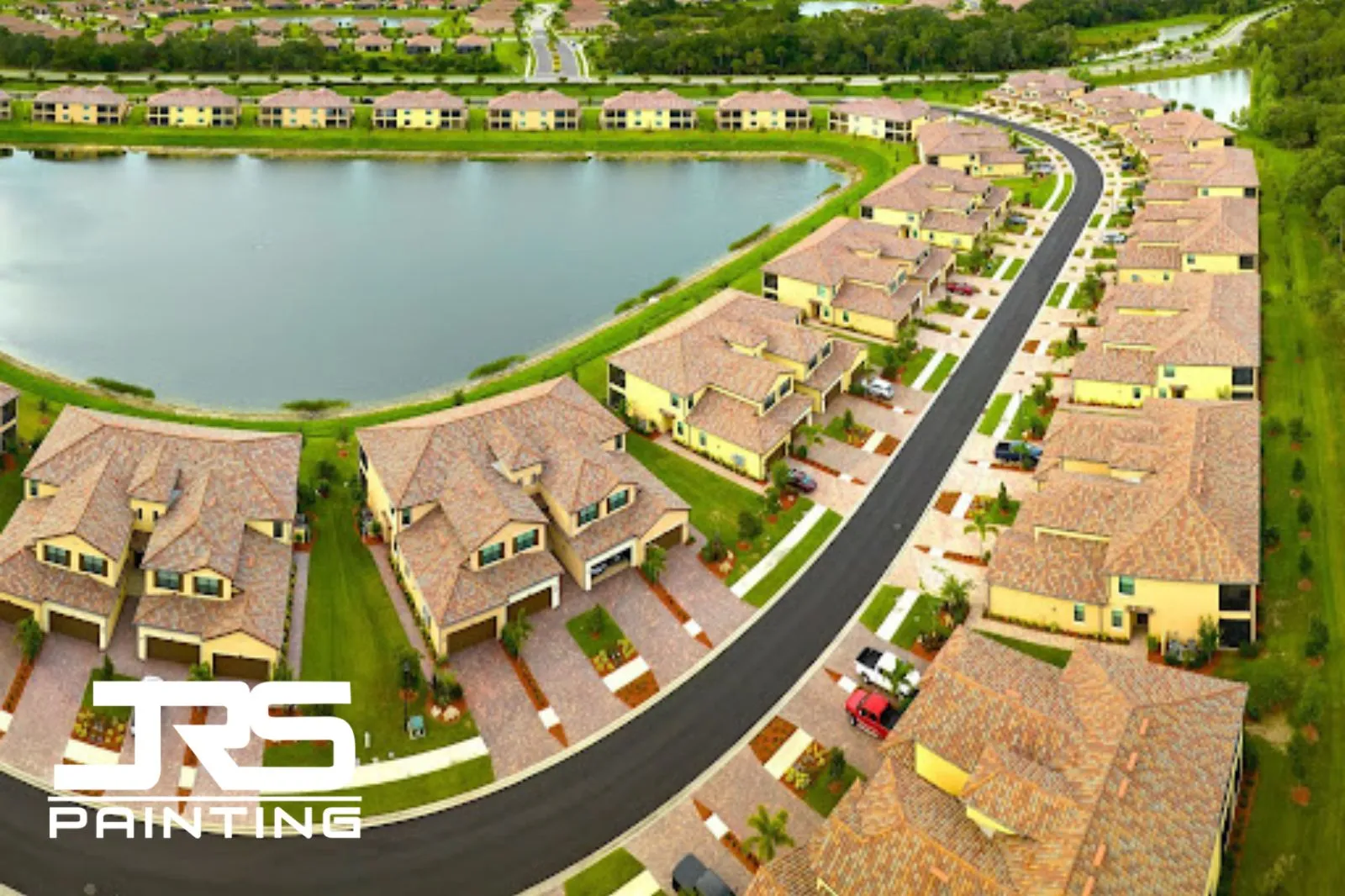
HOA paint violation notices are common in Phoenix-area communities, and the reason is straightforward: Arizona’s climate is hard on exterior paint, and associations have standards to uphold. The homeowners who handle these situations most smoothly are the ones who read the notice carefully, start the approval process immediately, and work with a contractor who understands both the technical requirements and the timeline pressure.
The goal is not just clearing the current violation. It is getting the home repainted correctly so the next inspection is not a concern.
Frequently Asked Questions About HOA Paint Violation Notices
Can an HOA Force You to Repaint Your House?
Yes. When a homeowner purchases in an HOA-governed community, they agree to abide by the CC&Rs and architectural standards. Those standards include exterior paint condition requirements, and an HOA has legal authority to enforce them. Continued non-compliance can result in fines and, in some cases, a lien on the property.
How Long Do HOA Paint Violations Give Homeowners to Comply?
Timelines vary by community. Phoenix-area HOAs commonly allow 30 to 60 days from the notice date, though some communities set shorter windows for visible exterior deterioration. The notice itself will specify the deadline. If it is unclear, contact the management company in writing to confirm.
What If I Already Painted My Home Without HOA Approval?
Contact the HOA management office as soon as possible. Some communities allow retroactive ARC submissions if the color selected happens to fall within the approved palette. If the color is outside the palette, repainting will likely be required. Acting quickly and communicating proactively reduces the risk of escalating fines while the issue is being resolved.
Can I Dispute an HOA Paint Violation Notice?
Yes. HOA governing documents typically include a formal dispute or hearing process. If the violation notice is based on inaccurate information or fails to account for recent maintenance completed on the property, that evidence can be presented to the board. Documentation is key: dated photos, contractor invoices, and any prior correspondence with the HOA should be compiled before the hearing.
Does HOA Exterior Painting Require a Licensed Contractor?
HOAs do not always require a licensed contractor, but the Arizona Registrar of Contractors generally requires licensing for painting jobs exceeding a certain value. More practically, licensed contractors carry liability insurance that protects the homeowner if something goes wrong during the project. Given that HOA compliance is already under scrutiny, using a licensed and insured professional removes one potential complication from the equation.
Ready to Get Ahead of Your HOA Deadline?
Jr’s Painting serves homeowners across Phoenix, Chandler, Scottsdale, Gilbert, Mesa, Tempe, and Ahwatukee. The team has experience working with HOA communities throughout the Metro Phoenix area and can help guide homeowners through color selection, surface assessment, and repaint scheduling, all before the compliance clock runs out. Contact Jr’s Painting today to schedule a free exterior consultation.

Related Articles
Exterior Painting, Interior Painting, Residential Painting

Exterior Painting, Interior Painting, Residential Painting