When homeowners in the Phoenix area start planning to refresh their homes, one of the first questions they ask is: how much will it cost? Whether it’s a single room or an entire commercial space, knowing the costs upfront helps avoid surprises.
Residential and commercial painting differ in more than size. Home painting focuses on comfort and personal style, while commercial projects emphasize durability and a clean, professional look with minimal downtime.
Hiring professional painters adds lasting value. Experts handle surface prep, use quality materials, and back their work with warranties, saving homeowners from uneven finishes, wasted paint, and lost weekends.
For trusted, high-quality painting across Phoenix, Jr’s Painting has been known for craftsmanship, honesty, and customer satisfaction since 1995.
Understanding Residential Painting Costs
Residential painting costs in the Phoenix area depend on several factors, including home size, wall condition, and the type of surfaces being painted. Every home is unique; a well-maintained single-story property will require far less preparation than a two-story home with textured walls, detailed trim, or areas in need of repair.
Wall condition plays a significant role in determining the overall project scope. Homes in good condition may only need light surface cleaning and sanding, while properties with damage, stains, or outdated finishes often require more extensive prep work before painting begins.
Paint Costs by Housing Type
Single-family homes are the most common residential painting projects in Arizona. These involve varied ceiling heights, multiple room types, and exteriors exposed to intense sunlight, all of which influence the time, materials, and preparation required.
Townhomes and condos are generally quicker to complete because of their smaller size and shared walls. However, some communities or HOAs require specific paint colors and finishes, and many mandate professional work for consistency.
Multi-family properties and apartment complexes have additional considerations. These large-scale projects often involve coordinating schedules with tenants and using durable materials suited for high-traffic areas.
Painting Common Areas in Residential Buildings
Common spaces such as hallways, stairwells, and clubhouses pose unique challenges. They often require specialized equipment to reach high areas safely and must be painted during times that minimize disruption to residents. The paints used in these areas need to withstand frequent contact, cleaning, and general wear to maintain a clean, professional appearance over time.
Factors Influencing the Cost of a Residential Painting Project
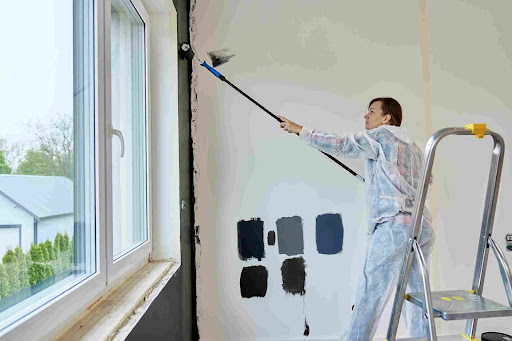
Anyone requesting house painter quotes discovers that pricing isn’t as simple as dollars per square foot. Multiple variables combine to create the final number, and understanding these factors helps homeowners make better choices about where to invest and where to save.
Size of the Home or Project
Square footage serves as the foundation for most painting estimates, but it’s not the only measurement that matters. A 2,000 square foot open-concept home with vaulted ceilings costs more to paint than a 2,000 square foot ranch with standard eight-foot ceilings.
Room count affects pricing, too. Painting five large rooms goes faster than painting ten small ones because of all the cutting in around doors, windows, and trim.
Type of Paint and Finish
Paint quality impacts both the upfront cost and long-term value of any painting project. Premium paints contain higher-quality pigments and binders that provide better coverage, richer color, and longer-lasting finishes. While budget paint might cost less per gallon, premium options are much higher, but that price difference often disappears when factoring in coverage and durability.
Finish selection matters just as much as paint quality. Flat finishes hide imperfections but don’t stand up to cleaning. Satin and eggshell finishes offer the best balance for most homes, providing some sheen without showing every wall imperfection. Semi-gloss works well for trim and doors, while high-gloss finishes suit special applications like cabinets.
Room Type and Function
Kitchens and bathrooms demand different materials than bedrooms and living rooms. These spaces deal with moisture, grease, and temperature fluctuations that require paints formulated to resist mildew and withstand regular cleaning.
Bedrooms and living areas can use standard interior paints, but homes with children or pets benefit from scrubbable finishes that handle the occasional crayon mark or muddy paw print.
Surface Preparation and Condition
Surface prep separates mediocre paint jobs from exceptional ones and accounts for a significant portion of total project costs. Homes with smooth, well-maintained walls need minimal preparation beyond cleaning and light sanding. Properties with damage, texture issues, or prior poor-quality work require much more attention.
Filling holes, repairing cracks, sanding rough patches, and addressing water damage all add time and materials to the project. Homes with heavy texture might need skim coating to achieve a smooth finish, which adds considerable labor and drying time. Exterior surfaces often need power washing, scraping, and caulking before any paint is applied to the walls.
Number of Coats Required
Most professional painting projects include two coats of paint, which provides proper coverage and color depth. However, certain situations demand additional coats. Dramatic color changes, especially going from dark to light, often require an extra coat or a tinted primer to prevent the old color from showing through.
New drywall or repairs always need primer before finish coats. Skipping this step leads to uneven sheen and poor paint adhesion that becomes obvious once the project is complete.
Accessibility and Home Layout
Houses with high ceilings, stairwells, or vaulted spaces require specialized equipment and more time to paint safely. Two-story foyers, cathedral ceilings, and homes built on slopes all present access challenges that affect pricing.
Furniture moving and room preparation also factor into costs. Empty homes paint faster and easier than occupied ones, which are filled with furniture, artwork, and personal belongings that need protection. Most local house painting companies include basic furniture moving in their quotes, but extensive preparation increases the total.
Seasonal and Environmental Considerations
Summer temperatures often exceed 100 degrees, which can cause paint to dry too quickly and prevent proper adhesion. Winter months provide ideal conditions, but higher demand during the peak season can affect availability and pricing.
South and west-facing walls take a beating from intense sunlight, requiring premium paints formulated to resist fading and chalking. Homes with extensive sun exposure might benefit from elastomeric coatings that expand and contract with temperature changes.
Special Features or Techniques
Accent walls, decorative finishes, and specialty techniques add visual interest but increase project costs. Faux finishes, color blocking, and custom murals require additional skill and time beyond standard wall painting.
Textured walls present their own challenges. Orange peel and knockdown textures require more paint and careful application techniques. Heavy popcorn texture drinks up paint, significantly increasing material costs for both walls and ceilings.
DIY vs Professional Residential Painting: Cost Comparison
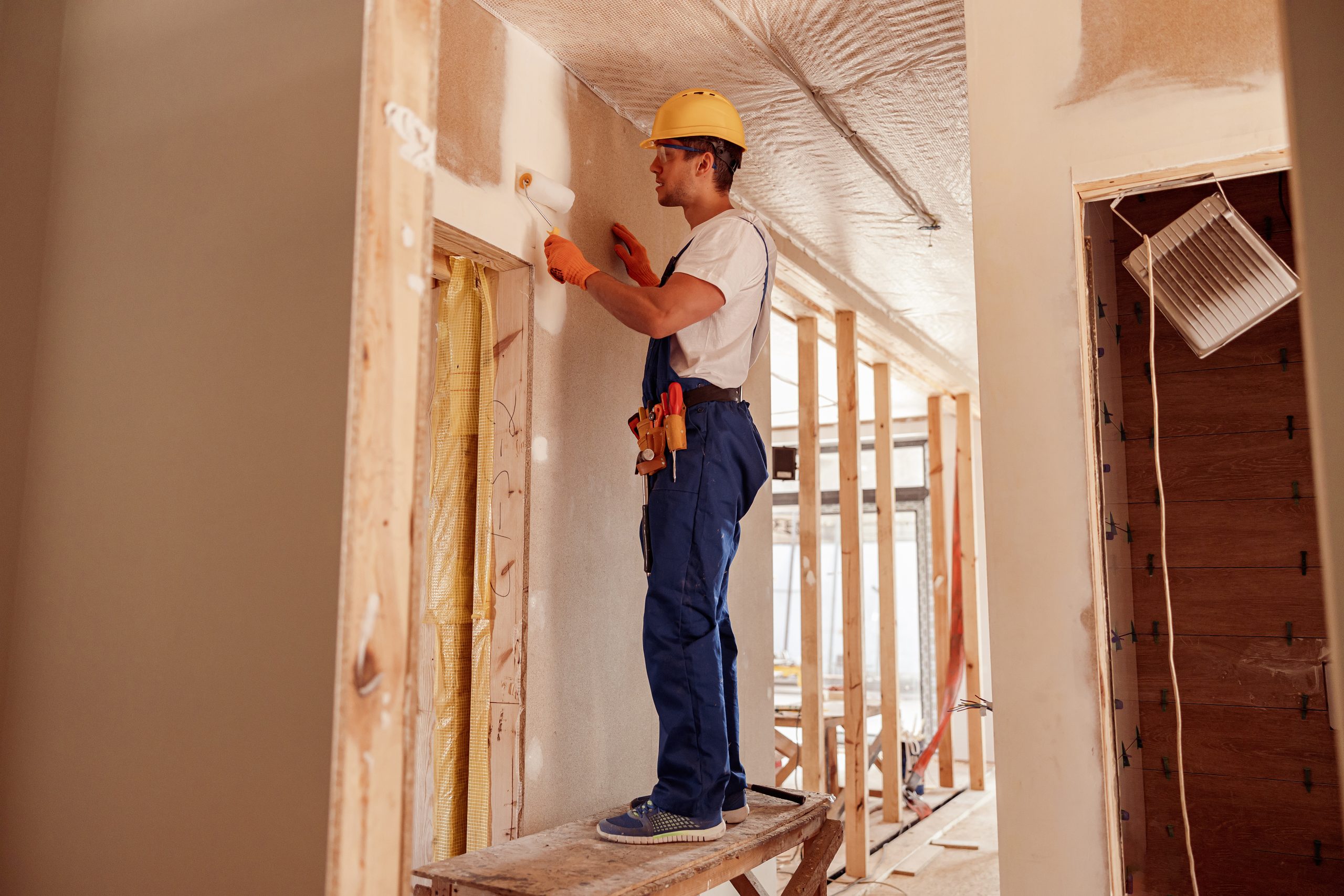
Many homeowners consider painting their homes themselves to save money, but the difference between doing it yourself and hiring professionals often extends far beyond the initial expense.
DIY Interior Painting
A do-it-yourself project can seem straightforward at first, but it requires more than just paint and brushes. The process involves preparation, setup, cleanup, and—most importantly—time. What professional painters can finish in a few days may take an inexperienced homeowner several weekends. The results also depend heavily on skill level, technique, and access to the right tools and equipment.
While some homeowners enjoy the satisfaction of painting their own space, the challenges can quickly add up. From uneven finishes to missed prep steps, DIY work often takes longer and delivers less durable results than expected.
Professional Painting
Hiring professionals provides lasting value and peace of mind. Experienced painters work efficiently, use premium materials, and apply techniques that ensure consistent coverage and long-term durability. They also handle prep work, protect your furnishings, and take responsibility for every stage of the project, from setup to final inspection.
Professionals bring not only skill but also accountability. They understand how to prepare various surfaces, select appropriate finishes, and achieve a smooth, uniform result that enhances a home’s overall appearance.
Which Option Fits Your Project?
Small, simple projects can be manageable for homeowners who have the time and patience to learn proper painting techniques. However, larger projects or those requiring significant surface preparation, multiple rooms, or specialty finishes are best left to trained painters who can guarantee quality results.
Why DIY May Cost More in the Long Run
DIY painting often seems less expensive until mistakes occur. Using the wrong primer, skipping prep work, or applying uneven coats can lead to poor adhesion and visible flaws that require professional correction later. Many homeowners find themselves calling in experts to fix these issues, which ultimately costs more time and effort than hiring professionals from the start.
Choosing professional painters ensures efficiency, precision, and a finish that lasts, without the stress or guesswork of doing it yourself.
When to Hire a Professional
You should hire a professional painter when the project involves multiple rooms, high ceilings, damaged surfaces, or detailed prep work that requires specialized tools and experience. Larger or more complex jobs are usually completed faster, look better, and cost less in the long run when handled by a trained crew.
Budgeting Tips for Residential Painting Projects

Understanding what drives painting costs helps homeowners make strategic decisions that maximize value while staying within budget.
Cost Breakdown: Labor, Materials, and Prep Work
Professional painting estimates allocate 20 to 30 percent of the total to materials and 70 to 80 percent to labor. That labor percentage includes prep work, painting time, cleanup, and the business overhead required to operate professionally.
Prep work represents a significant portion of labor costs. Surface preparation might consume 40 to 50 percent of total project time on homes requiring extensive repair or texture removal. Well-maintained homes with minimal prep needs allocate much more of their budget to painting.
How to Save Money on Interior and Exterior Painting
Timing projects strategically can reduce costs. Scheduling work during slower periods might provide some pricing flexibility, though reputable painting companies for residential work stay busy year-round in Phoenix.
Doing some prep work yourself can reduce costs, but homeowners should discuss this with their painting contractor first. Some companies prefer to handle all prep themselves to ensure proper procedures, while others welcome client participation for straightforward tasks like moving furniture or removing wall fixtures.
Combining multiple projects often provides better value than tackling them separately. Painting the entire home interior at once costs less per room than painting one room at a time over several years. Similarly, scheduling interior and exterior work together might offer economies of scale.
The Impact of Room Size and Layout
Open floor plans paint more efficiently than homes divided into many small rooms. Fewer corners, doorways, and transitions mean painters spend more time rolling paint and less time on detailed cutting around edges.
Cathedral ceilings and tall walls require additional time and equipment. Homes with standard eight-foot ceilings paint faster and easier than those with vaulted or two-story spaces.
Understanding Paint Quality vs. Price
Premium paint costs roughly twice as much as budget paint but often covers better, hides imperfections more effectively, and lasts years longer. Over the life of the paint job, premium products usually cost less than cheap ones that require more frequent repainting.
That said, not every surface needs premium paint. Rarely seen areas like garages or storage rooms work fine with mid-grade products, while main living areas and exteriors benefit from top-quality materials.
Common Repairs Before Residential Painting
Addressing underlying issues before painting prevents problems from reappearing through fresh paint and ensures the finished project looks professional.
Drywall and Ceiling Repair
Nail pops, cracks, and holes from wall hangings all need to be filled before painting. Minor imperfections can be easily filled with spackling compounds, while larger repairs might require drywall patches. Each repair needs to be sanded smooth and primed before painting to prevent sheen differences.
Ceiling damage from roof leaks or plumbing issues requires complete repair and stain blocking before painting. Water stains bleed through standard paint, necessitating specialty primers that seal the damage. Failing to address these issues properly results in stains reappearing within weeks.
Trim, Doors, and Window Frame Repairs
Wood trim can be damaged over time by impacts, settling, and moisture exposure. Gaps between trim pieces need caulking for a finished appearance. Damaged wood requires filling, sanding, and, in some cases, replacement before painting.
Door and window frames often show wear around hardware and at the bottom, where moisture accumulates. These areas need proper prep and priming to ensure paint adheres well and provides lasting protection.
Minor Carpentry or Surface Restoration
Rotted wood on exterior trim or window sills must be replaced before painting can begin. Painting over compromised wood just hides problems temporarily while allowing continued deterioration.
Damaged stucco on exteriors requires repair using proper techniques that match the existing texture. Improper stucco repair creates visible patches that show through paint and compromise weather protection.
Frequently Asked Questions
Ready to Refresh Your Home?
Whether you need a complete exterior repaint or a simple interior update, Jr’s Painting AZ is here to help with everything from complete exterior repaints to simple interior updates.
We proudly serve Phoenix, Chandler, Gilbert, Mesa, and surrounding areas with licensed, insured, high-quality workmanship backed by 30 years of local experience and a 5-year warranty on all projects. Call (602) 573-1419 today to request your free estimate and get started.

Related Articles
Interior Painting, Residential Painting
Interior Painting, Residential Painting, Tips & Tricks