

Why Proper Room Painting Technique Matters
Learning how to paint a room like a professional transforms your living space and saves money on costly repaints. Walking into a freshly painted room can feel like stepping into a completely different space. The colors pop, the walls look clean and smooth, and everything just feels new again.
The difference between professional-looking results and amateur work comes down to preparation and technique. Skip the prep work, and every bump, crack, and imperfection shows through once the paint dries. Rush the application, and streaks and roller marks appear every time the lights turn on.
Professional painters in Phoenix, Arizona, spend 60-70% of project time on preparation because proper surface prep determines final paint quality. Homeowners who understand these techniques avoid common mistakes that waste time and money.
Essential Tools and Materials for Interior Painting
Professional room painting requires specific tools that deliver smooth, long-lasting results.
High-Quality Painting Tools
Quality brushes and rollers cost more upfront but pay dividends in finish quality. Cheap brushes shed bristles onto walls, leave visible brush marks, and make it harder to achieve clean lines. Professional painters use:
Angled brush (2-3 inches) for cutting in around edges and trimming. Roller frame with an extension pole for reaching walls without a ladder. Roller covers matched to wall texture (3/8-inch nap for smooth walls, 1/2-3/4 inch for textured surfaces). Paint tray with liner for easy cleanup
Paint and Primer Selection
Higher-quality interior paints contain more pigment and binders, providing better coverage in fewer coats. Premium paints from brands like Sherwin-Williams and Benjamin Moore typically cover in two coats, whereas budget options require three to four coats.
Primer creates uniform surfaces for paint adhesion. New drywall absorbs paint unevenly without primer. Dark walls need primer before lighter colors, or old colors bleed through.
Protection and Prep Supplies
Canvas drop cloths protect floors better than plastic sheets or old sheets (paint seeps through fabric). Other needed supplies include:
- Painter’s tape (FrogTape or 3M ScotchBlue)
- Spackling compound for hole repairs
- Sandpaper (120-150 grit)
- Cleaning supplies (TSP or mild detergent)
- Putty knife for applying spackle
Steps for Room Preparation
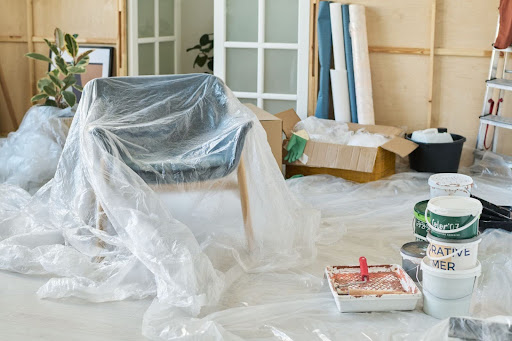
Room preparation separates professional results from amateur paint jobs. Phoenix painting contractors like Jr’s Painting spend significant time on prep work because it determines final quality.
Clearing and Protecting the Space
Move furniture to the room centers and cover with plastic sheets, or remove it completely. Clear walls of pictures, mirrors, and decorations. Remove outlet covers and switch plates (painting around them looks sloppy and damages hardware). Remove door hardware where possible if painting trim.
Repairing Wall Damage
Small nail holes seem insignificant, but once painted, eyes go straight to them. Fill holes and cracks with spackling compound, let dry completely (typically 2-4 hours), then sand smooth. Run hands over walls; feeling repairs means seeing them after painting.
For larger holes or damage, use joint compound and drywall tape. Phoenix homes often develop cracks from foundation settling in desert conditions, requiring proper repair before painting.
Cleaning Surfaces
Dust, grease, and grime prevent paint bonding. Washing walls might sound excessive, but this step makes a real difference, especially in kitchens and bathrooms where moisture and cooking residue accumulate.
Clean walls with:
- Mild dish soap and water for general cleaning
- TSP (trisodium phosphate) for heavy grease or smoke residue
- Allow complete drying before painting (moisture causes peeling and bubbling)
According to thePainting and Decorating Contractors of America, proper surface preparation accounts for 80% of paint job longevity.
Priming Walls for Better Paint Adhesion
The primer application determines how many paint coats are needed and how long the finished surface will last.
When to Use Primer
Always prime:
- New drywall (bare drywall is porous and absorbs paint unevenly)
- When painting light colors over dark walls
- Over stains from water damage, smoke, or markers
- When changing from oil-based to latex paint
- On glossy surfaces, being painted with flat or satin finishes
Choosing the Right Primer Type
Water-based (latex) primersdry in 1-2 hours and work for most interior drywall applications. They have a low odor and clean up with water.
Oil-based primersprovide superior stain blocking and adhesion on wood surfaces. They require 8-12 hours drying time and mineral spirits for cleanup.
Stain-blocking primersprevent tannin bleed-through from wood and cover stubborn stains. Phoenix homes with water damage from monsoon season roof leaks need stain-blocking primers.
Tinted primershelp when making dramatic color changes, reducing the need for topcoats.
Cutting In Technique for Clean Edges
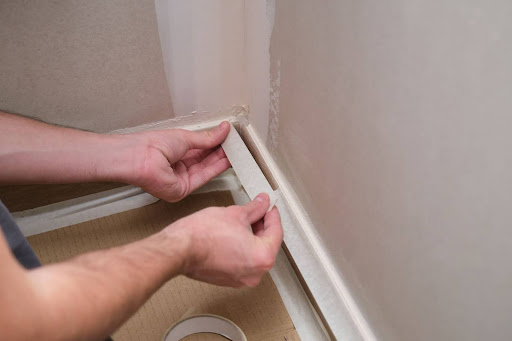
Cutting in means painting borders around edges where walls meet ceilings, baseboards, windows, and doors. This brushwork is done before rolling the main wall sections.
Proper Brush Loading
Dip the brushes one-third into the paint, then tap the excess against the inside of the can. Dragging across rims creates bubbles and doesn’t remove enough paint, which may cause drips.
Hold the brushes comfortably, as if they were pencils, and use steady, controlled strokes for precision.
Creating Clean Lines
For ceiling lines, apply painter’s tape carefully, pressing edges firmly to prevent paint bleed-through. Paint away from tape edges first, then back toward them. Remove the tape while the paint is still slightly wet (approximately 1 hour after application). Waiting until complete drying can pull paint off with tape.
Professional painterscut in one wall completely, then roll that wall before moving on to the next. This keeps cut-in edges wet, helping rolled paint blend seamlessly without visible lines.
Corners and Tight Spaces
Inside corners require loading one side of the angled brush tips, then pulling the paint into the corners with light pressure. Outside corners need paint applied to both walls separately, feathering where they meet.
Rolling Walls for Smooth Coverage
Rolling main wall surfaces goes faster than cutting in, but still requires proper technique for professional results.
Selecting Roller Nap Size
Roller nap thickness matches wall texture:
- 3/8 inch nap:Smooth drywall and previously painted walls
- 1/2 inch nap:Light texture or slightly rough surfaces
- 3/4 inch nap:Heavy texture like orange peel or knockdown
Phoenix and Arizona homes often have textured walls, requiring an appropriate nap selection to ensure paint penetrates grooves.
Loading Rollers Properly
Roll in paint trays to load, then roll on textured tray slopes several times for even paint distribution. Rollers should be loaded without dripping.
The W-Pattern Rolling Technique
Start several feet from the edges and roll large “W” or “M” patterns. This distributes paint more evenly than rolling straight across. Without reloading, fill in patterns with horizontal or vertical strokes that overlap slightly.
Work in three-foot-square sections, maintaining wet edges by overlapping into areas just painted before drying. This prevents visible lines where dried paint meets fresh paint.
Don’t press hard on rollers. Let rollers do the work. Heavy pressure squeezes out too much paint, creating uneven finishes.
Extension poles attached to roller handles save backs and shoulders while providing better control. They reach wall tops without ladders for most work, making jobs faster and less tiring.
Achieving a Professional Paint Finish
Professional-looking finishes require attention to detail throughout application.
Checking for Imperfections
Step back regularly and examine work from different angles. What looks perfect up close might show streaks, missed spots, or uneven coverage from across rooms. Natural daylight reveals flaws that artificial light hides, so check work during the day when possible.
Applying Second Coats
Most rooms need at least two coats for even color and proper coverage. Let the first coats dry completely (typically four hours for latex paint, but check manufacturer specifications). Temperature and humidity affect drying times. Phoenix’s dry climate often speeds drying compared to humid regions.
Second coats hide tiny imperfections from first applications and provide rich, even color depth.
Managing Drips and Sags
Between coats, check for drips, especially under windowsills and along baseboards. Caught early, they brush out easily. Once dry, they need sanding and repainting.
Painting Trim, Doors, and Detail Work
Windows, trim, doors, and baseboards require extra care. These eye-level areas show every mistake.
Window Painting Technique
For windows, use painter’s tape on glass if you are not confident painting freehand. Paint muntins (thin strips between panes) first if windows have them, then frames, and finally sills. Keep damp rags handy to wipe paint off glass before drying.
Trim and Baseboard Application
Trim and baseboards often get semi-gloss or satin finishes for durability and easier cleaning. These finishes show brush strokes more than flat paint, requiring smooth, long strokes without overworking paint.
When painting, trim different colors from walls, paint trim first, let dry, then tape and paint walls. Tape adheres better to dried paint than fresh paint.
Door Painting Methods
Doors present unique challenges. Take them off hinges if possible because painting horizontal doors eliminates drips and gives better results. If that’s not an option, start at the tops and work down, doing panels first, then frames around them, then rails and stiles.
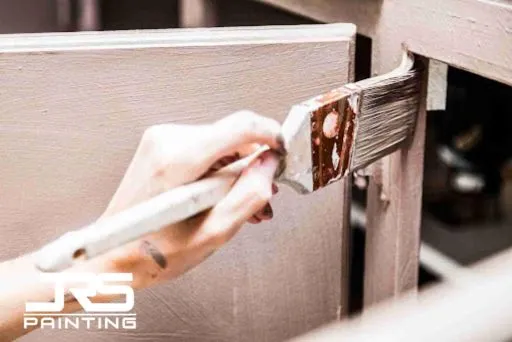
Forcabinet painting, Jr’s Painting has perfected techniques for achieving factory-like finishes that completely transform kitchens and bathrooms in Gilbert, Chandler, and throughout Metro Phoenix. For DIY work, patience and thin coats are key.
Professional Painting Tips
Professional painters develop techniques over the years that make work faster and produce superior results.
Building Up Thin Coats
Multiple thin coats beat single thick coats every time. Thick paint takes longer to dry, tends to drip, and shows brush and roller marks more prominently. Thin coats dry faster, look smoother, and provide more control over final color depth.
Maintaining Wet Edges
Keep wet edges throughout the entire walls to prevent lap marks. This means working quickly enough to always paint into wet paint, not onto dried paint. On hot Phoenix days or in dry climates, this can be challenging.
Adding paint conditioner (like Floetrol for latex paint) extends drying time slightly, providing more working time without affecting final finish quality.
Using Backlighting for Quality Control
Before calling walls done, shine bright lights across them at angles. This highlights drips, thin spots, or imperfections needing touch-ups before moving on.
Cleanup and Final Touches
Jobs aren’t finished when painting stops. Cleanup and final details matter for professional results.
Removing Painter’s Tape
Remove painter’s tape while final coats remain slightly tacky but not wet (approximately one hour after painting). Pull back on itself at 45-degree angles, slowly and steadily. Waiting until the paint is completely dry often results in paint chunks pulling off with tape.
Cleaning Tools
Clean brushes and rollers immediately. Latex paint cleans with warm, soapy water. Rinse until the water runs clear. For oil-based paint, use mineral spirits or paint thinner. Quality brushes that are properly cleaned last for years.
Final Inspection
Reattach outlet covers, light switch plates, and door hardware. Walk through the rooms with good lighting, checking for spots that need touch-ups. Keep leftover paint for future touch-ups, stored in airtight containers with room names and dates marked clearly.
Maintaining Your Paint Job
Great paint jobs should look good for years with minimal maintenance.
Regular Cleaning
Wipe walls gently with soft, damp cloths when dusty or dirty. Harsh scrubbing or abrasive cleaners damage finishes, especially flat or matte paints. Semi-gloss and satin finishes withstand cleaning better, which is why they’re recommended for kitchens, bathrooms, and high-traffic areas.
Touch-Up Strategy
Keep original paint for touch-ups. Small scuffs and marks happen, especially in homes with children or pets. Quick touch-ups with small brushes make them disappear without repainting entire walls.
Sun Protection
Direct sunlight fades paint over time, especially bold colors. Arizona’s intense sun accelerates fading. While this can’t be avoided entirely, rotating furniture and artwork occasionally reduces the contrast between protected and exposed areas.
Interior paint lasts 5-10 years, depending on quality, traffic, and maintenance. High-traffic areas like hallways may need repainting every 3-5 years.
Frequently Asked Questions
Ready to Transform Your Phoenix Home?
Learning how to paint a room like a professional takes practice, patience, and attention to detail. While DIY painting works for many homeowners, larger projects or those requiring flawless results often benefit from professional expertise.
For homeowners in Phoenix, Chandler, Gilbert, and Ahwatukee seeking professional interior painting services, Jr’s Paintingbrings over 20 years of experience, delivering stunning, long-lasting results. From single rooms to whole-home transformations, their expert team handles every detail with precision and care.
Request your free painting estimate todayand discover how professional painting transforms your space.

Related Articles
Interior Painting, Residential Painting, Tips & Tricks
Interior Painting, Residential Painting, Tips & Tricks
Interior Painting, Residential Painting, Tips & Tricks


