
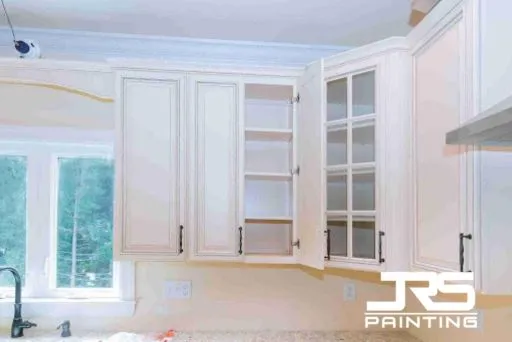
Homeowners looking to refresh their kitchens often discover that cabinet paintingoffers a dramatic transformation without the expense of replacement. The process involves more than simply applying paint to wood surfaces. When done properly, cabinet painting restores worn finishes, updates outdated colors, and extends the life of existing cabinetry through careful preparation, strategic priming, and durable coating systems that withstand daily use.
Understanding what the cabinet painting process actually involves helps homeowners recognize why professional results differ so dramatically from rushed DIY attempts. Each phase builds on the previous one, creating a foundation that determines how long the finish will last.
What Cabinet Painting Is (And What the Process Involves)
Cabinet painting transforms existing cabinetry through a multi-stage refinishing process. Unlike furniture painting or wall painting, the cabinet painting process addresses surfaces that face constant human contact, temperature changes, and exposure to cooking oils and steam. The work requires:
- Removing or protecting hardware
- Preparing surfaces to accept new coatings
- Applying specialized primers that bond to existing finishes
- Building up paint layers that cure into a durable, washable surface
Cabinet doors and drawer fronts come off for thorough treatment, while cabinet boxes receive careful masking to protect countertops, backsplashes, and appliances. Each coating layer needs adequate drying time before the next application, and the final finish requires proper curing before cabinets can handle normal kitchen activities.
Cabinet Painting Preparation (The Most Critical Step)
Preparation determines whether cabinet paint lasts years or fails prematurely. Before any primer or paint touches cabinet surfaces, the existing finish requires thorough evaluation. Wood species, previous coatings, cabinet age, and surface condition all influence how preparation proceeds.
Professional cabinet preparation begins with the complete removal of doors, drawer fronts, and all hardware. Labels or photos document which pieces belong where, preventing mix-ups during reassembly. This step allows access to all surfaces and creates a controlled environment where coatings can be applied evenly.
The cabinet boxes remaining in place receive careful masking. Countertops, walls, floors, and appliances get covered with protective materials to prevent paint damage.
Cabinet Surface Preparation & Sanding
Cabinet surface preparation removes the barriers that prevent new coatings from bonding. Kitchen cabinets accumulate layers of cooking grease, food residue, and cleaning product buildup that create an invisible film. Professional-grade degreasers dissolve oils that ordinary cleaners miss, and thorough rinsing ensures no chemical residue remains.
After cleaning, cabinet surfaces need mechanical preparation that gives paint something to grip. Sanding cabinets before painting doesn’t always mean stripping down to bare wood. The goal is to create a tooth in the existing finish so primers can establish proper adhesion. Fine-grit sandpaper scuffs glossy surfaces without removing previous coatings entirely, though heavily damaged areas may require more aggressive treatment. In certain situations, such as factory-finished cabinets or surfaces in good condition, there are scenarios where sanding can be minimized or skipped altogether.
Some cabinets benefit from light abrasion using synthetic pads rather than sandpaper, particularly when working with veneer or laminate surfaces. The right approach depends on the cabinets’ material and the condition of the existing finish.
Dust removal after sanding matters more than most homeowners realize. Paint doesn’t bond well over sanding dust, even fine particles invisible to casual inspection. Tack cloths or vacuum systems remove debris before any coatings begin.
Priming Cabinets for Paint Adhesion
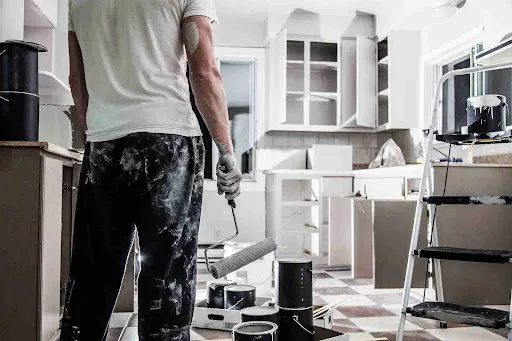
Cabinet priming creates the bridge between old finishes and new coatings. Even perfectly cleaned and sanded cabinets need primer to achieve reliable cabinet paint adhesion. The primer’s job involves:
- Sealing porous wood
- Blocking stains from bleeding through topcoats
- Providing a uniform surface for paint to grip
Different cabinet situations call for different primers. Cabinets with water stains or smoke damage require stain-blocking primers that prevent discoloration. Previously stained or varnished cabinets need bonding primers formulated to grip slick surfaces. Raw wood cabinets benefit from primers that seal grain and prevent uneven paint absorption.
Application technique affects primer performance. Thin, even coats dry faster and bond better than thick applications that sag or create texture. The goal is building a uniform foundation, not burying the surface under heavy coats.
Proper drying time between primer and paint matters significantly. Primers need adequate time to cure and develop full adhesion before topcoats go on. Rushing this phase by painting over tacky primer compromises the bond between layers and can cause finish failure later.
How to Paint Cabinets Properly
Learning how to paint cabinets properly requires understanding that application technique affects durability as much as product selection. The actual painting phase builds on the foundation established through preparation and priming.
Professional cabinet painting typically uses spray equipment because it produces the smoothest finish, with no brush marks or roller texture. However, homeowners working with quality brushes and foam rollers can achieve attractive results by working methodically and avoiding common mistakes like overloading brushes or working paint after it begins setting up. The choice betweenspraying and brushing directly impacts surface smoothness, edge definition, and long-term wear.
Most professional work today uses cabinet coating systems specifically formulated for durability:
- Conversion varnish
- Catalyzed lacquer
- Premium acrylic-urethane paints
These cure harder than standard wall paints and resist scratching, moisture, and chemical exposure better than products designed for other applications.
Paint application speed matters less than consistency. Taking time to apply paint evenly in thin layers produces superior results with cabinet finish durability that lasts years longer than rushed work.
Cabinet Coating Systems & Finishes
Understanding coating systems helps homeowners recognize why professional cabinet painting produces long-lasting cabinet finishes. A coating system isn’t just paint, but rather a carefully designed combination of primers, paints, and application techniques that work together.
Professional coating systems often involve multiple thin coats rather than fewer thick applications. Thin coats dry faster, level smoother, and build up to a harder finish. Each layer bonds to the previous one, creating a unified finish that resists chipping better than a single thick coat.
The distinction between drying and curing is critical to cabinet finish durability. Paint feels dry to the touch within hours, but complete curing, where the finish reaches full hardness and chemical resistance, takes much longer. Water-based cabinet paints may dry quickly but require extended curing time.
Sheen level affects both appearance and durability. Satin and semi-gloss finishes show fewer imperfections than high-gloss while offering better scrubbability than flat paints. Higher gloss levels generally provide more moisture resistance and easier cleaning, but they also highlight surface imperfections more readily.
Jr’s Paintinguses professional-grade cabinet coating systems designed specifically for the demands of Phoenix-area kitchens, where extreme temperatures and low humidity create challenging curing conditions.
Final Curing, Reassembly & Care
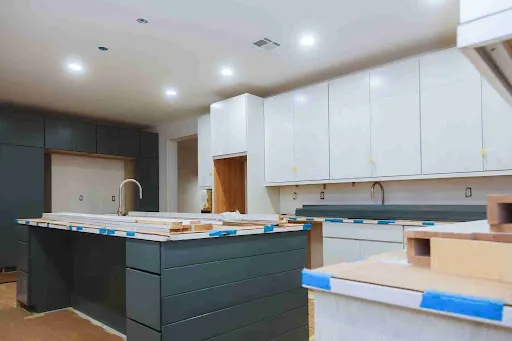
Even when paint feels dry, the finish hasn’t reached full hardness. The curing period allows paint to develop its full durability and chemical resistance. Loading shelves too soon or scrubbing surfaces before full cure can leave permanent marks in finishes that otherwise would last for years.
Hardware reinstallation requires care to avoid scratching freshly painted surfaces. New hinges or pulls often accompany cabinet painting projects, giving the entire kitchen a coordinated update. When reusing existing hardware, cleaning pieces thoroughly before reinstallation prevents transferring old grease and grime onto clean surfaces.
Proper care extends the life of painted cabinets significantly:
- Use gentle cleaning products
- Avoid harsh chemicals or abrasive scrubbers
- Wipe up spills promptly
- Prevent excessive moisture near painted surfaces
Professionally painted cabinets should show smooth, uniform coverage without visible brush marks, drips, or color variations. Doors should close properly without paint buildup preventing smooth operation, and the finish should feel smooth to the touch.
Common Cabinet Painting Mistakes to Avoid
Even with the best intentions, certain mistakes can undermine an otherwise solid cabinet painting project. Recognizing these pitfalls helps homeowners understand why professional results look and perform differently from DIY attempts.
Inadequate Surface Preparation
The most common mistake involves rushing through or skipping surface preparation entirely. Cabinets that aren’t properly cleaned still have a grease film that prevents primer adhesion. Paint applied over glossy, unsanded surfaces may appear acceptable initially, but it begins to peel within months as it loses its grip on the slick substrate.
Some homeowners believe that premium paint eliminates the need for thorough prep work. No paint, regardless of quality or price, can compensate for poor surface preparation. The cabinet painting process succeeds or fails based on what happens before any paint goes on.
Using the Wrong Products
Wall paint on cabinets represents another frequent mistake. Standard latex wall paint lacks the hardness and durability that cabinet surfaces need. These paints remain relatively soft even after curing, showing wear patterns quickly in high-contact areas like drawer fronts and door edges.
Similarly, using all-purpose primers instead of specialized bonding or stain-blocking primers compromises adhesion. The wrong primer may allow tannins to bleed through light-colored topcoats or fail to grip properly on previously finished surfaces.
Applying Coats Too Thick
Thick paint coats seem like they should provide better coverage and durability, but they actually create problems. Heavy applications take longer to dry, sag more easily, and cure into softer finishes that dent and mark more readily than properly applied thin coats. Thick coats also build up around hinges and in door edges, causing binding and operation issues.
Skipping Proper Drying Time
Paint that feels dry to the touch hasn’t finished curing. Homeowners who reinstall hardware, hang doors, or load shelves too soon damage finishes that need more time to harden fully. Fingerprints pressed into nearly-cured paint, scratches from premature hardware installation, and impressions from items placed on shelves all result from insufficient curing time.
Poor Application Technique
Visible brush marks, drips, and uneven coverage stem from improper application methods. Overworking paint as it starts to set up creates texture and pulls rather than smoothing out. Using worn brushes or low-quality rollers leaves marks that show through the final finish. Not maintaining wet edges causes lap marks where fresh paint overlaps partially dried sections.
Ignoring Environmental Conditions
Temperature and humidity affect how paint dries and cures. Painting in extremely hot, cold, or humid conditions extends drying times and can prevent proper curing entirely. Phoenix’s intense heat and dry climate require adjustments to standard techniques, including careful attention to how quickly coatings dry and when to apply subsequent layers.
Frequently Asked Questions
Ready to Transform Your Cabinets?
Professional cabinet painting delivers the durability and flawless finish your kitchen deserves. Jr’s Painting brings decades of experience to every cabinet project in the Metro-Phoenix area, using proven processes and professional-grade materials that stand up to daily use.
Get your free cabinet painting estimate today.Call 602-573-1419 or visit jrspaintingaz.com to schedule your consultation.

Related Articles
Interior Painting, Residential Painting, Tips & Tricks
Interior Painting, Residential Painting, Tips & Tricks
Interior Painting, Residential Painting, Tips & Tricks


