Bathrooms face unique challenges that can cause even the best paint job to fail sooner than expected. Between daily steam from hot showers, hard water that leaves mineral deposits everywhere, and constant exposure to cleaning chemicals, bathroom walls take a beating. Many older homes in the area lack proper ventilation, creating a recipe for peeling paint, water stains, and musty odors.
The good news? Choosing the right paint typeand color makes all the difference. This guide covers exactly what works in Phoenix bathrooms and what to avoid.
What Makes Bathrooms So Tough on Paint?
Daily moisture and steamcreate problems most people don’t expect. Every shower produces moisture that settles on walls and seeps into tiny cracks. Without proper ventilation, that moisture sits there for hours, breaking down standard paint over time.
Hard water adds another layer of difficulty.Those white spots on the shower glass also splash onto the walls, mixing with soap residue to create a sticky film that traps moisture against the paint. Regular cleaning with harsh products then strips away the paint’s protective qualities.
Poor ventilation in older homesmakes everything worse. A small window or a weak exhaust fan doesn’t cut it when dealing with Arizona’s heat and indoor humidity. Moisture has nowhere to go, showing up as bubbling paint, dark spots, or a persistent damp feeling.
Best Paint Types for Bathrooms
Why You Should Use Moisture-Resistant Paint
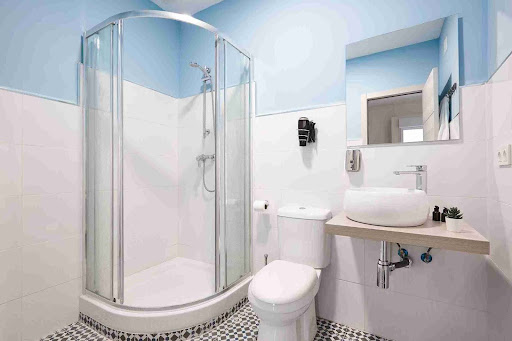
Moisture-resistant formulas contain additives that help paint resist water penetration. These paints create a tighter barrier that prevents steam from reaching the drywall underneath. While they cost more upfront, they last two to three times longer than standard interior paint in bathrooms.
Modern versions breathe enough to let walls release trapped moisture while blocking new moisture from getting in. This balance matters in Phoenix, where temperature swings between air-conditioned interiors and hot exterior walls can create condensation issues.
Eggshell vs Satin vs Semi-Gloss in Bathrooms
Choosing the best paint finish matters more than the paint type itself.
Eggshell finishesare too flat for bathrooms. They absorb moisture readily and show water marks that can’t be wiped clean. Save these for bedrooms instead.
Satin finisheswork well for powder rooms or half baths without heavy shower use. They have enough sheen to repel moisture while looking sophisticated. Satin wipes clean easily without showing every wall imperfection.
Semi-gloss remains the workhorsefor full bathrooms with showers or tubs. The higher sheen creates a harder, more water-resistant surface that stands up to frequent cleaning. Many homeowners use semi-gloss on lower walls or around the tub, then satin on upper walls for a balanced look.
Mold and Mildew Resistant Formulas: When They’re Worth It
These paints include antimicrobial additives that inhibit growth on the surface. They make the most sense in specific situations:
- Guest bathrooms that sit unused for long periods
- Bathrooms with ventilation problems that can’t be easily fixed
- Areas prone to moisture buildup like shower surrounds and ceilings
Master bathrooms with good ventilation and regular cleaning might not need the extra protection. The additives add cost, so evaluate each bathroom individually.
Color Ideas That Work in Bathrooms
Light Neutrals for Small or Dark Bathrooms
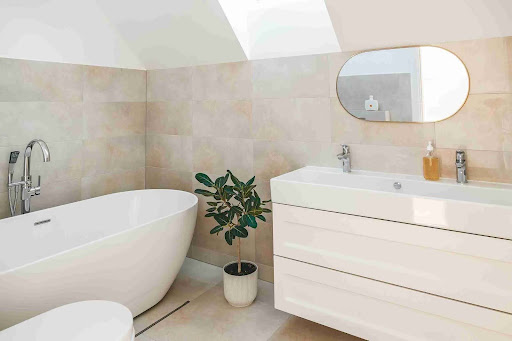
Many Phoenix homes have bathrooms without windows or with only small openings. Light neutrals become especially valuable here. Soft whites, warm beiges, and pale grays bounce artificial light around, making rooms feel larger and more inviting.
The key is choosing neutrals with the right undertones for your lighting. Test paint samples on different walls and observe them at various times of day to avoid surprises. Neutrals also provide flexibility for changing accessories and decor over time without repainting.
Spa-Inspired Blues and Greens
Water-inspired colors create instant calm in bathrooms. Soft aqua tones, muted teals, and sage greens evoke a spa-like feeling and provide psychological cooling in our desert climate.
Pick shades with enough gray mixed in to feel sophisticated. A dusty blue-green reads as soothing and mature, while pure turquoise might feel too bright. These colors pair beautifully with white trim and natural wood vanities.
Bold Accent Walls That Won’t Feel Heavy
An accent wall lets you use bold color without overwhelming a small space. Rich navy, deep charcoal, or warm terracotta on the wall behind the vanity provides personality while keeping the rest of the room light.
This approach works well for homeowners who love color but don’t want it everywhere. If the bold shade doesn’t work out, repainting one wall is manageable. Just know that darker colors require more careful application and prep work to look flawless.
Prep and Application Tips for Long-Lasting Results
Even the best paint fails without proper preparation. Here’s what matters:
Start with a thorough cleaning.Use a degreasing solution that cuts through soap scum, hairspray, and body oils. The surface should feel squeaky clean, not slick.
Degloss existing paint.Lightly sand with fine-grit sandpaper or use a liquid deglosser. New paint doesn’t stick to slick surfaces. This step gets skipped often but makes the difference between paint that lasts and paint that peels.
Caulk all gaps.Fresh caulk around the tub, baseboards, and where walls meet the ceiling seals entry points for water. Use mold-resistant caulk and remove old, cracked caulk completely rather than caulking over it.
Repair minor damage.Fix small dents, nail holes, and cracks before priming. If drywall paper is fuzzy or spots feel soft when pressed, the damage goes deeper than paint can fix. Address these problems first.
Don’t skip primer.A good bonding primer helps new paint stick to cleaned and deglossed surfaces. For bathrooms with previous moisture issues or staining, use a stain-blocking primer to prevent old marks from bleeding through.
When to Call a Professional Bathroom Painter
Some projects are straightforward for DIYers, but others need professional help. Signs your bathroom needs more than just new paint:
- Bubbling or peeling across large areas
- Dark staining that appears to come from behind the paint
- Soft or damaged drywall
- Persistent musty odors even when clean
These issues point to moisture problems that need proper diagnosis and repair before painting. Professional painters have seen these problems before and know how to address underlying causes rather than covering them up.
Benefits of hiring experienced painters include faster work (days instead of weekends), cleaner process with proper protection and cleanup, and better finish quality with straight lines and no lap marks. Bathrooms with multiple mirrors, extensive tilework, or complex fixtures become especially challenging for DIY work.
Jr’s Paintinghas helped countless Phoenix homeowners transform their bathrooms with the right paint choices and expert application. Our team knows which products hold up best in Arizona’s climate and how to prep surfaces properly for lasting results.
Frequently Asked Questions
Ready to Transform Your Bathroom?
The right paint makes Phoenix bathrooms last for years instead of needing constant touch-ups. Moisture-resistant paints in satin or semi-gloss finishes provide the durability these rooms demand. Colors from light neutrals to calming blues to bold accents all work when paired with quality paint and proper application.
Think beyond just a new paint color. Consider whether your ventilation needs improvement, if fixtures could use updating, and whether small changes like new hardware might amplify the impact of fresh paint. A bathroom painted right becomes a retreat rather than just a functional room.
Ready to get started?Contact Jr’s Paintingtoday for a free estimate. We’ll assess your bathroom’s specific needs, recommend the best paint types and colors for your space, and deliver a professional finish that stands up to everything Phoenix bathrooms face. Let’s create a bathroom you’ll love for years to come.

Related Articles
Interior Painting, Residential Painting
Interior Painting, Residential Painting, Tips & Tricks