
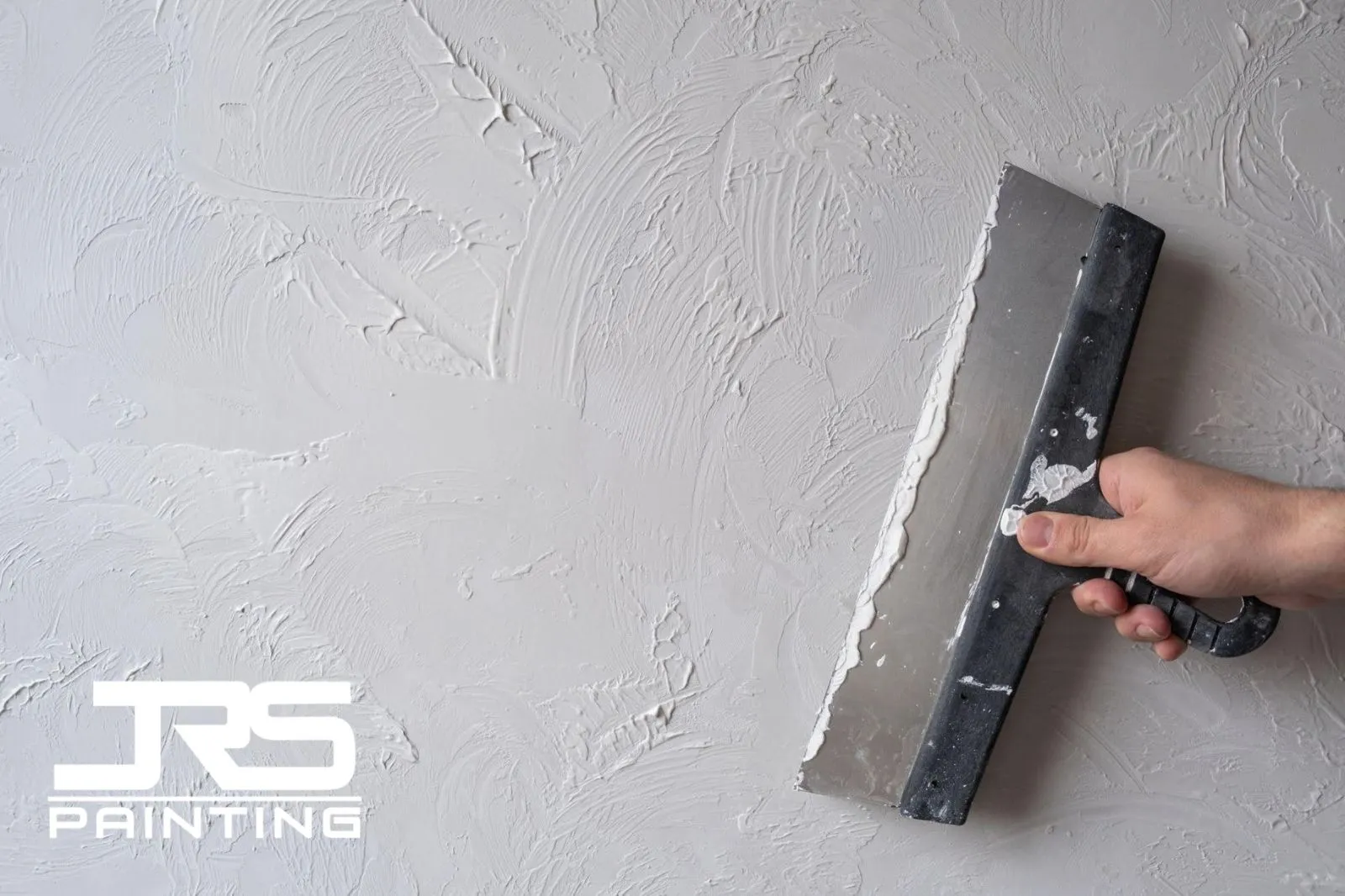
When comparing drywall or stucco interior walls, the right choice depends on the existing home, the look you prefer, and whether you are repairing, remodeling, or creating a new wall finish.
Drywall is common in modern Arizona homes because it creates a versatile surface that is relatively simple to repair, repaint, and modify. Interior stucco, plaster, and similar hand-applied finishes provide more texture and character but require different preparation and repair techniques.
For this guide, interior stucco refers to plaster or stucco-style decorative finishes used on indoor walls. This is different from the cement-based exterior stucco commonly used on Arizona homes.
Is Drywall or Interior Stucco Better?
Drywall is usually the better option for homeowners who want smooth walls, easier repairs, and more flexibility for remodeling. Interior stucco or plaster may be better when texture, durability, and Southwestern or traditional character are priorities.
For an existing Arizona home, replacing one wall material with another is not always necessary. If the current walls are sound, repairing and repainting them may provide the finished look you want without changing the entire wall system.
Drywall vs Interior Stucco at a Glance
| Feature | Drywall | Interior Stucco or Plaster |
| Surface | Smooth or textured | Smooth to heavily textured |
| Durability | Good for everyday residential use | Harder and more impact-resistant |
| Repairs | Generally easier | Can require careful texture matching |
| Painting | Straightforward with proper preparation | Requires attention to texture and surface condition |
| Remodeling | Easier to open and modify | Usually requires more work |
| Appearance | Clean and versatile | Textured and traditional |
| Best suited for | Modern interiors and remodels | Southwestern, Mediterranean, and traditional interiors |
What Is the Difference Between Drywall and Stucco Interior Walls?
The biggest difference is how the wall surface is constructed and finished.
Drywall is made from manufactured gypsum panels attached directly to wall framing. Contractors cover seams, fasteners, and imperfections with joint compound, then sand, optionally texture, prime, and paint.
Interior stucco or plaster is applied as a wet material and finished by hand. Depending on the product and application technique, the finished wall may be relatively smooth or noticeably textured.
Because these surfaces are created differently, they also behave differently when homeowners need to repair damage, repaint a room, or make changes during a renovation.
What Is Drywall?
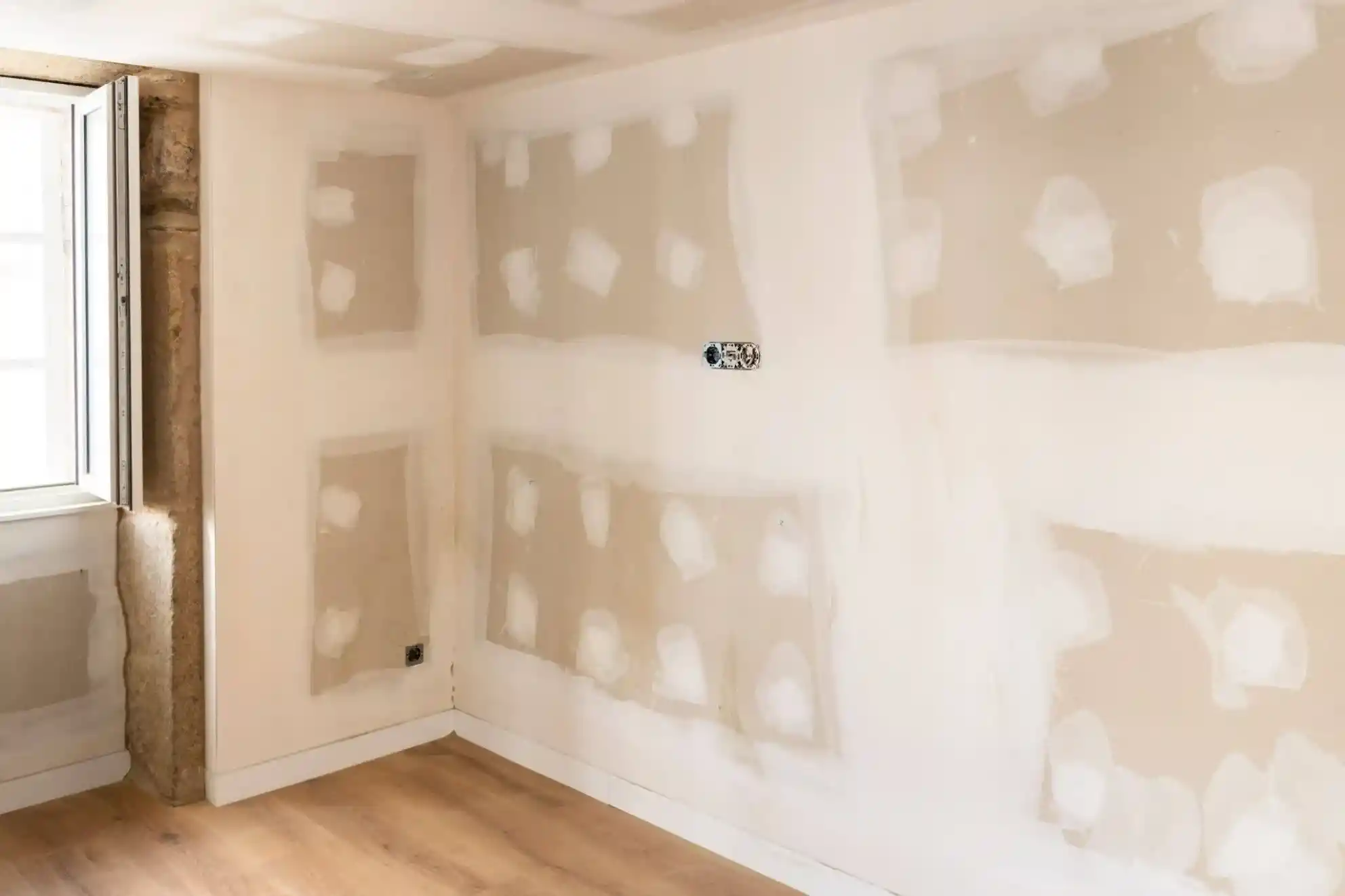
Drywall consists of gypsum pressed between layers of paper. Large sheets are fastened to the framing, and joint compound covers the joints and screw holes to create a continuous wall surface.
It is widely used in modern residential construction and works especially well in:
- Bedrooms
- Living rooms
- Hallways
- Kitchens
- Home offices
- Ceilings
- Additions
- Remodeled spaces
Drywall can support several different appearances. You can finish it completely smooth or add a texture such as orange peel or knockdown before painting.
For homeowners who frequently update paint colors, wall decor, fixtures, or room layouts, drywall also provides considerable flexibility.
What Is Interior Stucco or Plaster?
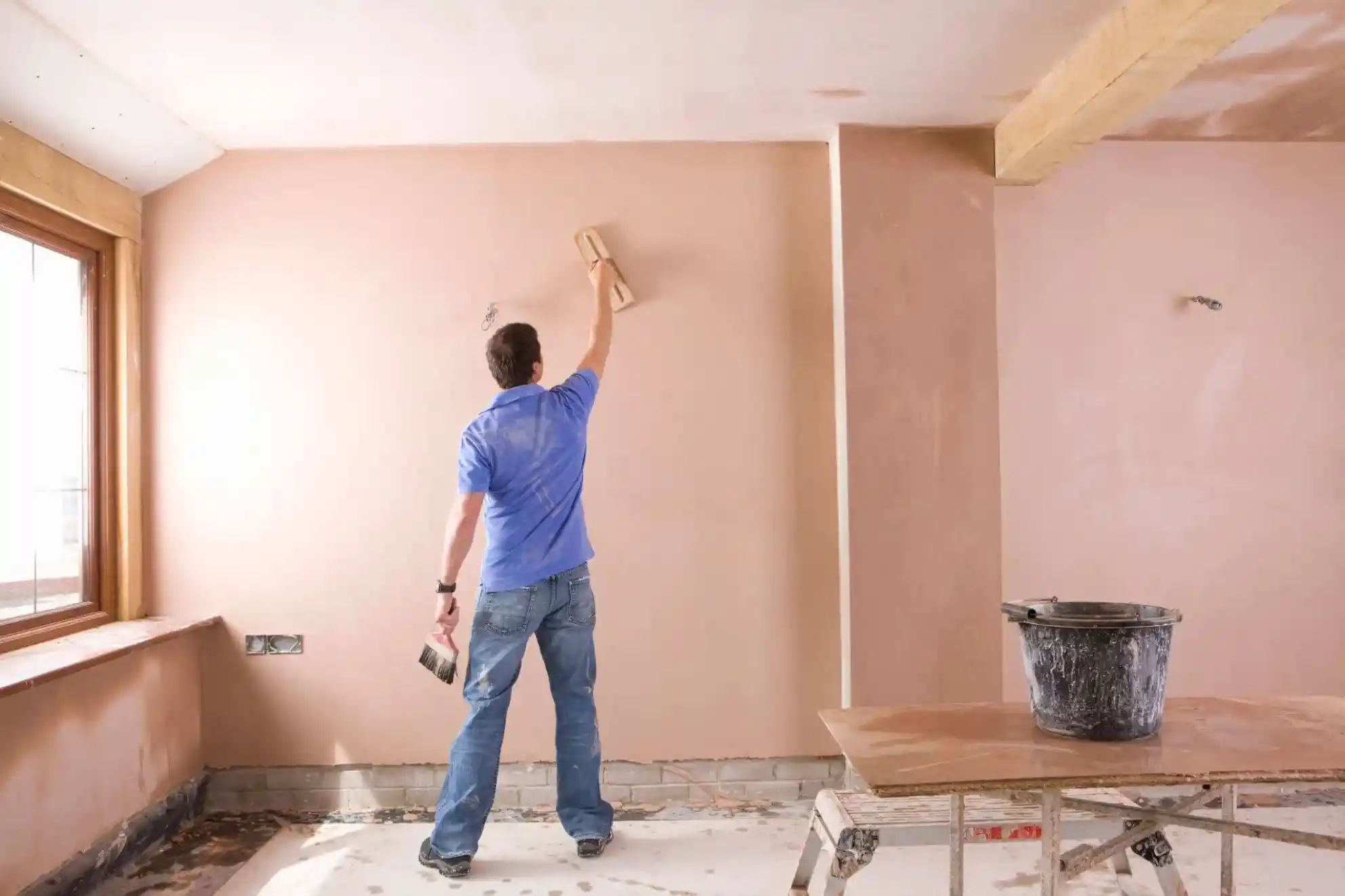
Homeowners often use the term interior stucco to describe plaster, decorative plaster, or another hand-applied textured wall finish.
Traditional plaster and exterior stucco are different wall systems, but the terms sometimes overlap when people are describing the appearance of an interior wall.
Interior plaster is applied wet and shaped using hand tools. The finished surface may be smooth, lightly textured, or intentionally uneven depending on the style of the home.
These finishes suit interiors where the wall texture itself is part of the design. Southwestern, Mediterranean, Spanish-inspired, and traditional Arizona interiors may use textured walls to create more depth and character.
Because the material is applied by hand, slight variations across the wall are often intentional, not defects.
Which Is More Durable, Drywall or Stucco Interior?
Plaster and similar interior stucco finishes generally create a harder surface than standard drywall.
That added hardness can make the wall more resistant to everyday dents and minor impacts. Drywall performs well under normal residential conditions but can be easier to dent or puncture when furniture, doors, or other objects strike the surface.
Both materials can still develop problems. Common factors affecting either wall type include:
- Home settling
- Structural movement
- Water leaks
- Previous repairs
- Improper surface preparation
- Age-related deterioration
The condition of the existing wall is often more important than the material alone.
Is Drywall or Stucco Easier to Repair?
Drywall is generally easier to repair because you can often patch, sand, texture, and repaint damaged areas without affecting a large portion of the wall.
Plaster and textured interior finishes can require more detailed repair work because the new material must blend with the surrounding texture.
For homeowners dealing with cracks, holes, damaged texture, or previous patching, understanding the differences between drywall and stucco repair can clarify why the repair process varies between the two wall types.
For both materials, matching the surrounding finish matters if the repaired section needs to blend naturally into the rest of the room.
Which Looks Better: Drywall or Stucco Interior?
Appearance depends mainly on the home’s architectural style and the finish you prefer.
Drywall may be a better fit if you want:
- Clean lines
- Smooth walls
- Consistent texture
- Modern interiors
- Easy paint color changes
- Flexibility during future remodeling
Interior stucco or plaster may be a better fit if you want:
- Visible wall texture
- More traditional character
- Greater visual depth
- Southwestern design
- Mediterranean influences
- A hand-finished appearance
The home’s existing character should also influence the decision.
Installing a perfectly smooth drywall section beside established textured walls can make the new area stand out instead of blending naturally into the room.
In many cases, preserving and repairing an existing finish produces a more consistent result than replacing one small section with a completely different wall system.
Can You Paint Drywall and Stucco Interior Walls?
Yes. You can successfully paint both drywall and interior stucco or plaster.
The main difference is the preparation required before painting.
Painting Drywall
Before painting drywall, check the surface for holes, dents, cracks, failed patches, damaged texture, and other imperfections.
Complete repairs and blend them with the surrounding wall before applying finish coats.
New drywall and recently patched sections may also require primer. Without proper preparation, repaired areas can absorb paint differently and remain visible after the wall is finished.
Professional interior wall painting depends heavily on surface preparation because even quality paint cannot hide poorly repaired drywall.
Painting Interior Stucco or Plaster
Inspect textured plaster and interior stucco walls for cracks, loose material, stains, damaged texture, and uneven previous repairs before painting begins.
Complete repairs first so the damaged area blends into the surrounding finish.
Deeper textures also require careful paint application because paint needs to reach both the raised areas and recessed portions of the wall.
If the wall has a pronounced hand-applied finish, preserving the existing texture during repairs is often just as important as selecting the paint itself.
Can You Replace Stucco Interior With Drywall?
Yes, but replacing the wall surface is not always necessary.
Changing to drywall may make sense when:
- Large sections of existing plaster are failing
- A room is already undergoing a major renovation
- Electrical or plumbing work requires the walls to be opened
- You want to replace heavily textured walls with a smoother finish
However, removing a solid plaster surface solely because it looks dated may create considerably more work than repairing and refinishing it.
In some situations, you can also install drywall over an existing plaster surface. Consider the added wall thickness, as it can affect electrical outlets, switches, baseboards, window trim, and door trim.
When the existing wall is structurally sound, repairing damaged areas and updating the paint may be the simpler approach.
Drywall or Stucco Interior: Which Is Better for Arizona Homes?
Both wall types can work well in Arizona homes.
Drywall is especially practical for newer homes, additions, and remodeling projects because it is easy to modify and works with a wide range of interior styles.
Plaster and interior stucco finishes can be a natural fit for homes with Southwestern, Spanish-inspired, Mediterranean, or traditional architecture. The texture can become part of the overall design instead of simply serving as a paint surface.
For an existing home, consider three things before changing the wall material:
- Wall condition: Sound walls may only need minor repairs and fresh paint.
- Existing architecture: Textured walls may already complement the home’s design.
- Future remodeling plans: Drywall generally offers more flexibility if you may need to open or modify walls later.
A home with established textured walls may look more cohesive if you preserve that character. A newer interior designed around smooth surfaces may suit standard drywall better.
Drywall vs Stucco: Which Should You Choose?
No single wall finish is right for every Arizona home.
Choose drywall when your priorities are:
- Easier future repairs
- Smooth and consistent walls
- Remodeling flexibility
- Simple paint updates
- A versatile modern appearance
Consider keeping or choosing interior stucco or plaster when your priorities are:
- More texture and character
- A harder wall surface
- Southwestern or Mediterranean design
- Preserving the style of an older home
- A hand-finished appearance
For existing homes, condition should usually come before replacement.
Minor cracks, damaged texture, uneven patches, or outdated paint don’t automatically mean the wall system needs to be removed. Many surfaces can be repaired, blended, prepared, and repainted while preserving the room’s existing character.
Frequently Asked Questions
Need Help Repairing or Painting Your Interior Walls?
Whether your home has drywall, plaster, or textured interior walls, a quality paint finish starts with proper surface preparation.
JR’s Painting can repair damaged areas, address uneven surfaces, match existing textures, and prepare your walls for a clean, consistent finish.


