
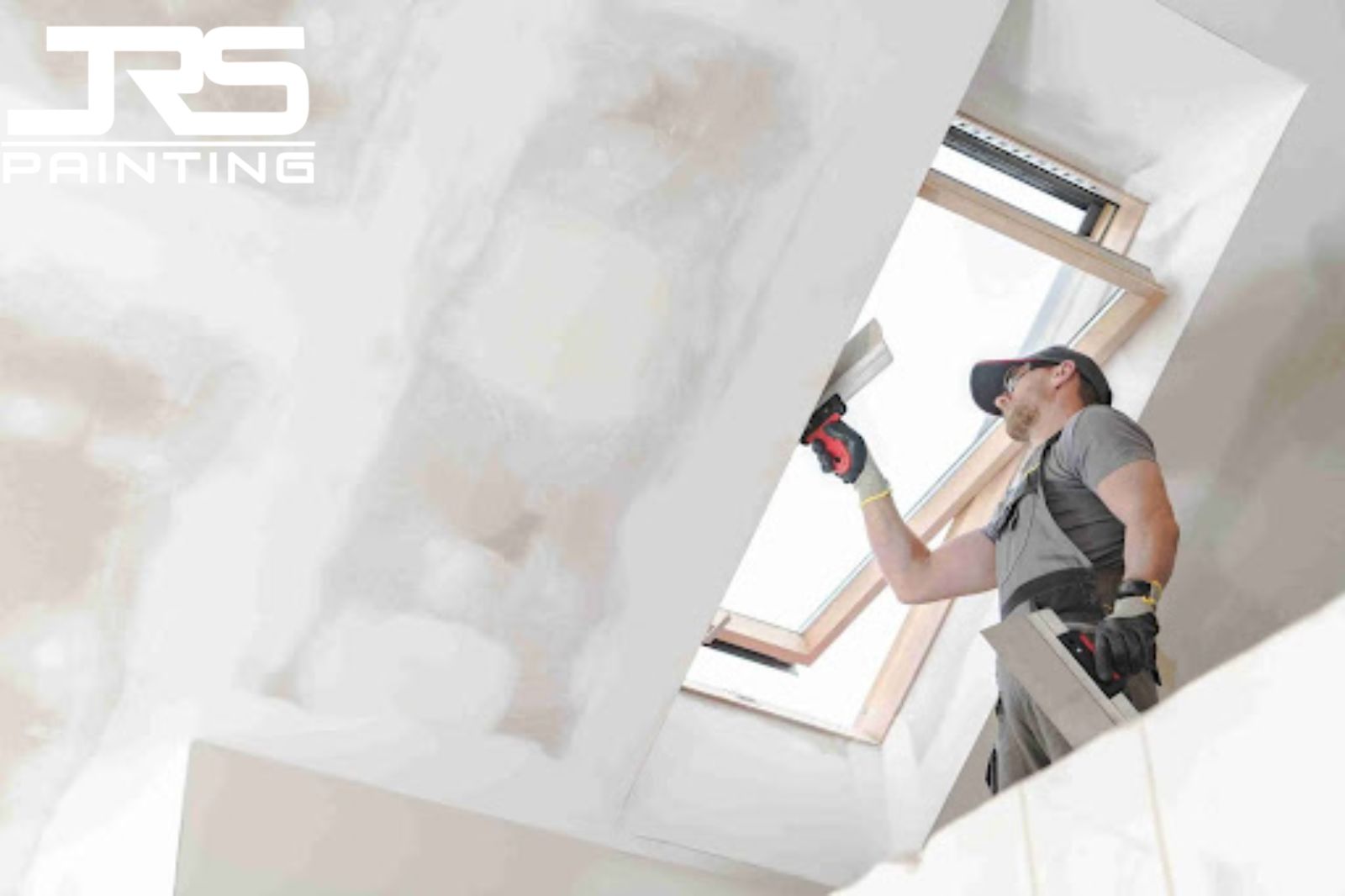
Walk through most Phoenix homes, and you’ll notice two distinct surfaces: smooth drywall inside and textured stucco outside. They protect your home from the elements, give you privacy, and provide the canvas for your paint colors. But when damage strikes, knowing which material you’re dealing with makes all the difference between a quick fix and a costly mistake.
The reality? What works for patching a hole in your bedroom wall won’t cut it for fixing a crack in your exterior stucco. Different materials need different approaches, different tools, and often different professionals. Getting this right from the start saves you time, money, and the headache of doing the same repair twice.
Understanding Drywall vs Stucco
Where You’ll Find Each Material in Your Home
Step inside your home and look at the walls around you. Those smooth surfaces in your living room, bedrooms, and hallways? That’s drywall, also called gypsum board or sheetrock. Nearly every interior wall in modern homes uses this material because it’s affordable, easy to work with, and creates clean lines for painting.
Now walk outside. That textured, cement-based coating covering your home’s exterior? That’s stucco. Phoenix builders love stucco because it handles the desert heat, resists fire, and gives homes that classic Southwestern look. Some older homes might have stucco on interior accent walls, but you’ll mainly see it protecting the outside of your house.
How They’re Built and Finished
Drywall comes in large panels, typically four feet by eight feet, made from gypsum plaster sandwiched between two layers of paper. Installation crews screw or nail these panels to wall studs, then cover the seams and fasteners with joint compound. After sanding everything smooth, the walls are ready for primer and paint. The whole process creates those flat, seamless surfaces you see throughout your home’s interior.
Stucco takes a completely different approach. Workers apply multiple layers of cement-based material directly onto metal lath attached to your home’s exterior walls. The base coat goes on first, followed by a finish coat that can be textured in dozens of ways. Some Phoenix homes sport a smooth sand finish, while others feature more pronounced textures, such as catface or knockdown patterns. The process requires specialized skills and timing, especially in our desert climate, where the material can dry too quickly under the intense sun.
Common Damage Types for Each
Drywall damage usually shows up as:
- Nail pops, where fasteners work their way to the surface, creating small bumps
- Holes, dents, or cracks from everyday impacts
- Water damage that leaves brown stains or soft, crumbly areas
- Cracks along seams where panels meet, especially in homes that have settled over time
Stucco damage looks different:
- Hairline cracks appear as thin lines across the surface
- Fading and chalking, where the surface develops a dusty, powdery feel from sun exposure
- Larger cracks or holes from impacts
- Dark stains or discoloration pointing to moisture problems behind the stucco
- Areas where the stucco has pulled away from the underlying structure
Typical Drywall Problems in Phoenix Homes
Phoenix’s climate brings its own set of challenges for drywall. Even with air conditioning, temperature changes make the home’s wood framing expand and contract. This movement can push fasteners out and create nail pops, which are small bumps on the wall that sometimes crack the surrounding paint.
Every day life causes dents and holes, too. Doors swing open too far, furniture gets bumped, kids play rough, and suddenly the drywall is damaged. Some marks only scratch the surface of the paper, while bigger impacts create full holes that reveal the empty cavity inside the wall.
Water damage is a more serious problem. Leaks from pipes, roofs, or even high humidity can soak drywall, causing it to swell, soften, and eventually fall apart. The gypsum interior breaks down, the paper starts peeling, and the wall loses its strength. Brown or yellow stains do not just look bad; they usually mean the drywall has been compromised and needs replacement.
As homes settle over time, cracks can appear. These often run diagonally from windows and doors or along the seams where drywall panels meet. Most are cosmetic, but large or widening cracks may point to foundation issues that a professional should check.
Typical Stucco Problems in Phoenix’s Climate

The desert sun constantly stresses stucco. During scorching summer days, it expands, and at night it contracts. Over time, this cycle creates small hairline cracks that spread across the surface. These cracks may seem minor, but they can let water in during the monsoon season and lead to bigger issues later.
Arizona’s intense UV exposure also causes stucco to fade over the years. Colors that once looked vibrant slowly wash out, and the surface can start to “chalk,” leaving a dusty, powdery residue on your hand.
Even in a dry climate, moisture damage still occurs. Monsoon rains can seep through cracks and get trapped behind the stucco. This hidden moisture can cause mold growth, wood rot, and visible signs like dark stains, bulging spots, or soft, weak areas.
Larger cracks or missing chunks of stucco usually come from impact or severe expansion. Things like hail, a stray baseball, or small shifts in the home can break sections loose. Because stucco texture can mask deeper issues, a careful inspection is often needed to assess the extent of the damage fully.
Why Repair Methods Are So Different
Drywall repairs are generally simple and homeowner-friendly. Supplies are easy to find, tools are basic, and the process allows room for error. You can fill the damage, let it dry, sand it smooth, and redo steps if needed.
Stucco repair, on the other hand, requires a different skill set. It requires specialized materials, precise mixing, and tools most homeowners don’t own. Timing, climate, and technique all play a bigger role in whether the repair succeeds or fails.
Here’s how the two differ:
Drywall Repairs
- Materials are simple: joint compound, tape, and patch kits.
- Tools are common: putty knives, sanders, and basic hand tools.
- The process is forgiving—mistakes can be sanded and reworked.
- Most repairs involve filling, drying, sanding, and repeating until smooth.
Stucco Repairs
- Uses cement-based materials that must match both color and texture.
- Requires trowels, floats, and texture tools that homeowners rarely have.
- Mix ratios and timing are crucial, especially in Phoenix heat, where the working window is short.
- Texture matching is challenging—knockdown, sand finish, and other patterns must blend seamlessly.
When damage is larger, the difference grows even more:
- Drywall: Cut out the damaged section, install a new board, then tape and mud the seams.
- Stucco: Remove loose areas, inspect for moisture damage, repair lath and barriers, and rebuild multiple layers of stucco.
In short, drywall is a manageable DIY project for many homeowners, but stucco repair demands precision and experience, especially in Phoenix’s harsh climate.
Cost and Timeline Expectations
Drywall Repairs:
- Minor fixes like nail pops and small dents are generally more affordable and quicker
- Medium repairs, such as doorknob-sized holes, require more labor and materials
- Extensive damage from water or multiple panels becomes more involved, especially when addressing underlying moisture sources
Stucco Repairs:
- Hairline crack fixes start at a higher baseline due to specialized materials and skills
- Larger repairs with texture matching increase in complexity and investment
- Extensive damage with moisture issues requires the most comprehensive approach
Drywall repairs usually finish faster because the material is easy to work with, and each step moves quickly. Stucco repairs take more time and patience. Each coat needs to cure properly, and rushing can lead to weak adhesion or texture that does not match. Phoenix heat also affects how both materials dry, which is why experienced pros know how to time each step.
A simple drywall repair usually involves fixing small issues such as nail pops, tiny holes, or minor cracks. Extensive repairs involve larger damaged areas, multiple rooms, or deeper problems such as foundation movement or water damage. For stucco, simple repairs cover small cracks or light surface damage. Extensive maintenance includes large cracks, widespread wear, moisture issues, or damage that affects large sections of the exterior.
When to DIY and When to Call a Pro
Good DIY Candidates (Drywall Only):
- Nail pops and small surface dents
- Minor cosmetic cracks
- Small holes from minor impacts
- Low-stakes areas like closets or garages
Always Call a Professional For:
- Any stucco repairs (texture matching is too difficult)
- Water-damaged drywall (underlying issues need diagnosis)
- Large holes or extensive cracking
- Repeated cracks that keep returning
- Damage near electrical or plumbing
Color and texture matching can be complex for both materials, but it is especially tricky with stucco. Even if the repair is done correctly, blending the patch with the rest of the wall takes real skill. Professionals like the team at Jrs Painting have years of experience matching textures and colors, and they know how repairs will look once painted. They also understand which products hold up best in Phoenix and have the right tools to recreate different texture patterns accurately.
A professional should always check structural concerns. Cracks that keep returning, large areas of damage, or signs of foundation or moisture issues need expert attention. A professional can tell you if it is a simple fix or part of a bigger problem. Getting an evaluation early can save you a lot of money down the road.
Frequently Asked Questions
Making the Right Call for Your Phoenix Home
Drywall and stucco repairs may seem similar, but they require different skills, tools, and techniques. What works indoors won’t work outdoors, and choosing the wrong approach often leads to poor results or repeat repairs.
Phoenix’s intense sun, temperature swings, and monsoon moisture make proper repair even more critical. Materials must be chosen and applied with the desert climate in mind, or the fix can fail quickly.
Working with a professional who understands both materials and local conditions helps you avoid DIY mistakes and ensures long-lasting results. Whether it’s drywall damage inside or stucco issues outside, the right expert will assess the problem, choose the correct repair method, and deliver a seamless finish that protects your home and preserves its value.
Ready to fix your drywall or stucco damage the right way? Jr’s Painting offers free estimates for interior and exterior repairs throughout Metro Phoenix. Contact us today to schedule your consultation and get expert guidance on your repair project.


