
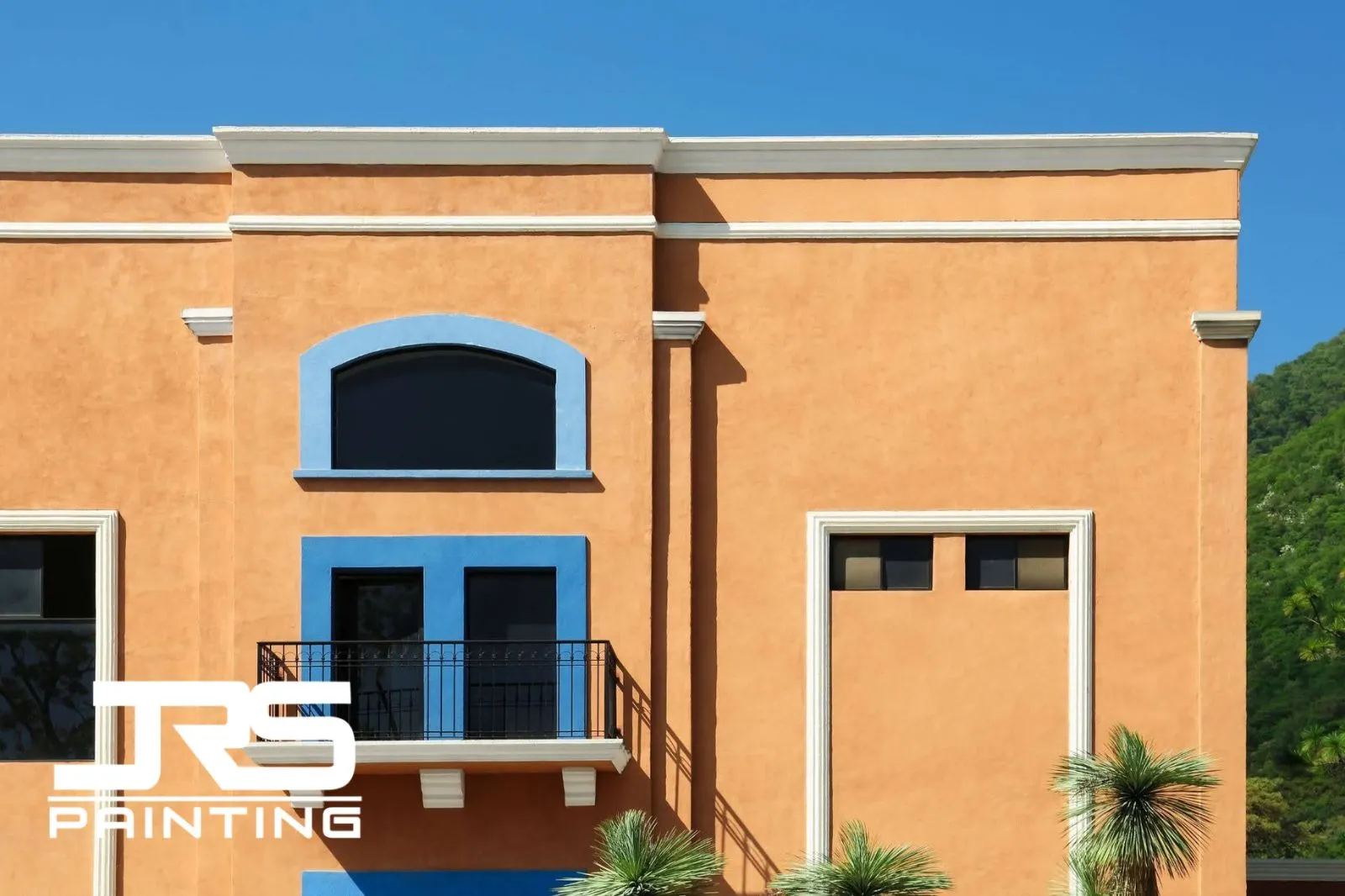
Painting stucco in Phoenix works best when the paint, prep, and timing match the desert. You can paint and repaint stucco, but it is a porous, alkaline masonry surface. That means it needs masonry-grade coatings, sound repairs underneath, and application that avoids extreme heat and monsoon storms. When any of those pieces is missing, the new finish is far more likely to blister, peel, or chalk.
This guide explains how Arizona’s climate affects stucco paint, what to check before starting, how to paint stucco step by step, and which Sherwin-Williams and Benjamin Moore products are designed for stucco surfaces.
How the Arizona Climate Affects Stucco Paint
Stucco paint in the Valley deals with two forces working against it: relentless heat and sun for most of the year, then sudden moisture during monsoon season. Understanding both makes it easier to choose the right products and avoid the most common failures.
Heat Cycling and Hairline Cracks
Stucco is a rigid, cement-based material. Exterior walls heat up in direct sun and cool down after sunset, and that daily expansion and contraction puts steady stress on the surface. Over time, the stress often shows up as hairline cracks, especially around window and door openings.
Small cracks can look purely cosmetic, but they give water an easy path into the wall. That becomes a real problem when storms hit.
How Monsoon Moisture Gets Behind the Paint
The National Weather Service defines Arizona’s monsoon season as June 15 through September 30. During that stretch, storms can drive rain sideways against walls that have spent months baking in the sun. Water soaks into cracks, unsealed patches, and worn paint.
When the sun comes back out, that moisture tries to escape. If the coating doesn’t let water vapor pass through, moisture can collect behind the paint film and cause bubbling, blistering, and peeling paint on stucco. This is why breathability is one of the most important qualities in any stucco paint.
UV Exposure and Chalking
Arizona’s intense sun also breaks paint down over time. One common result is chalking, a fine powder that forms on the surface as the paint’s binder deteriorates. If running a hand across the wall leaves colored residue on the palm, the paint is chalking.
New paint struggles to bond to a chalky surface, so you must clean and treat the chalk before recoating. Knowing how to paint over chalky exterior paint properly helps prevent adhesion problems and keeps the new coating from peeling prematurely.
What to Check Before Painting Stucco
A careful look at the walls before you open any paint saves a lot of frustration later. These are the conditions worth checking first:
- Stucco type. Benjamin Moore suggests a simple knock test. A hollow sound suggests EIFS (synthetic stucco), while a solid sound suggests traditional cement stucco. Coating choices should match the surface.
- Cracks. If a credit card slides into a crack, Benjamin Moore recommends opening it up, then priming and patching it before painting.
- White deposits. Powdery or crusty white residue on stucco, known as efflorescence, means water is moving through the wall. Address the moisture source before painting.
- Chalking. The hand-wipe test shows whether the old paint needs extra cleaning and a chalk-binding primer.
- Peeling, bubbling, or loose areas. These signal adhesion or moisture problems that new paint will not fix on its own.
- New stucco. Fresh Portland cement stucco is highly alkaline. The Northwest Wall and Ceiling Bureau notes a pH of around 12.4 for new stucco, so it needs to cure and test within the primer manufacturer’s pH limit before coating.
Repair cracked, crumbling, or water-damaged sections before applying any primer. Professional stucco repair restores the surface and matches the existing texture so the finished paint job looks uniform.
How to Paint Stucco: Step by Step
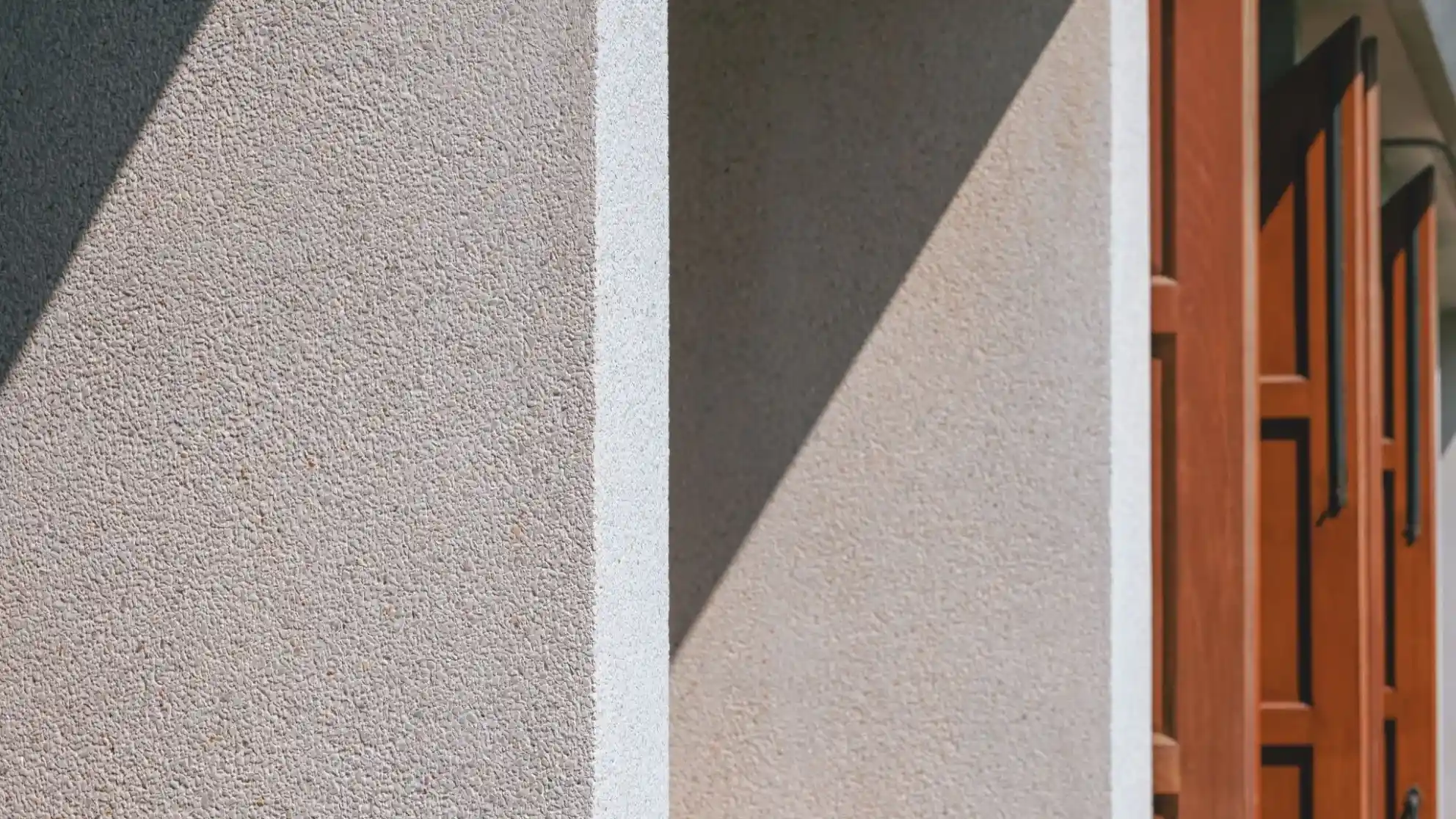
The process for painting stucco follows the same basic order whether you’re painting the house for the first time or repainting it. Each step builds on the last, and shortcuts early on often lead to failures later. For a deeper look at prep, see this exterior paint surface preparation guide.
1. Clean the Surface Thoroughly
Loosen dirt with a soft-bristled brush, then pressure wash to remove dust, loose paint, and chalk. Treat any mildew with a mildew-killing cleaner. Benjamin Moore stresses that stucco must be completely dry after washing before applying any primer or paint, since trapped moisture leads to blistering.
2. Repair Cracks and Damaged Areas
You can usually fill minor hairline cracks with an acrylic caulk made for stucco. Larger cracks and damaged sections need a patching material that matches the surrounding texture. Matching stucco texture takes practice, which is one reason many homeowners leave larger repairs to a professional. Let repairs cure according to the product directions before priming.
3. Prime With a Masonry Primer or Conditioner
A masonry primer seals porous stucco, withstands the alkalinity of cement, and gives the topcoat a solid surface to grip. Both major brands make primers built for this job:
- Sherwin-Williams Loxon Concrete & Masonry Primer/Sealer seals and adheres to stucco, concrete, brick, and plaster, and is designed to tolerate the high pH common in new masonry.
- Sherwin-Williams Loxon Conditioner penetrates and seals masonry, binds light chalk, and can be applied to surfaces with a pH from 6 to 13.
- Benjamin Moore Ultra Spec Masonry Interior/Exterior 100% Acrylic Sealer is recommended for stucco and can be applied to surfaces with a pH as high as 13.
Some masonry coatings, such as Sherwin-Williams Loxon XP, are self-priming on suitable surfaces. The product’s technical data sheet is the final word on whether a separate primer is needed.
4. Apply Two Coats and Work Paint Into the Texture
You can spray, brush, or roll stucco. Spraying gets paint into deep texture quickly, but Benjamin Moore recommends back-rolling or back-brushing after spraying for an even finish. When rolling, choose a roller nap that matches the stucco texture, whether rough, medium, or smooth.
Once the first coat is dry, apply a second coat the same way. Two full coats give stucco’s uneven peaks and valleys consistent coverage and protection.
Choosing the Best Stucco Paint for Arizona
The best stucco paint for Arizona is a 100% acrylic or elastomeric coating that is made for masonry, rated for stucco, resistant to alkali and UV, and able to let moisture vapor escape. Product choice matters, but it performs only as well as the prep underneath. For a broader look at exterior products beyond stucco, see this guide to the best exterior paint for Arizona homes.
Acrylic vs. Elastomeric Coatings
High-quality 100% acrylic exterior paints form a flexible, breathable film that holds color well in strong sun. According to the Northwest Wall and Ceiling Bureau, 100% acrylic finishes are typically very vapor permeable, which helps moisture leave the wall instead of collecting behind the paint.
Elastomeric coatings are applied much thicker and stretch, allowing them to bridge small hairline cracks. The tradeoff is that many elastomerics have lower vapor permeability and can trap moisture in walls that already have water problems. They can also be difficult to remove or recolor later. An elastomeric coating won’t fix leaks or flashing problems.
The full comparison of acrylic vs. elastomeric paint for stucco explains when each one makes sense.
Sherwin-Williams Options for Stucco
Loxon XP Masonry Coating lists stucco among its recommended surfaces, needs no separate primer on suitable surfaces, and is described as highly resistant to alkali and efflorescence, with resistance to wind-driven rain. ConFlex XL High Build Coating is a high-build acrylic that bridges hairline cracks, resists wind-driven rain, and is designed to prevent moisture vapor from being trapped behind the film.
Benjamin Moore Options for Stucco
Aura Exterior Paint lists stucco and masonry among its surfaces and has a breathable film that helps moisture escape, which the manufacturer says reduces blistering and peeling. It also resists UV damage with reduced chalking. Ultra Spec Masonry Elastomeric Waterproof Coating bridges small cracks, lets interior moisture escape without damaging the film, and is rated for smooth stucco.
Which Sheen Works Best on Stucco
Flat is the most common choice for stucco walls. Benjamin Moore recommends a flat sheen to mask imperfections, which helps on a textured surface where shinier finishes can highlight patches and uneven spots.
Timing Stucco Painting Around Arizona Weather
In Arizona, the weather on painting day affects the result as much as the product does. Every paint and primer lists an acceptable application temperature range on its label or data sheet, and those ranges differ. For example, Benjamin Moore lists a surface temperature range of 50°F to 90°F for its Ultra Spec Masonry sealer and an application range of 35°F to 100°F for Aura Exterior.
Walls in direct afternoon sun can get much hotter than the surrounding air. Painting each side of the house in the shade, and checking surface temperatures rather than relying on the forecast, helps keep application within the label range.
Moisture matters too. Stucco must be fully dry before painting, and fresh paint needs time to dry before rain hits. During monsoon season, that means watching the forecast closely and avoiding days when storms are likely. Repairing cracks and repainting before the monsoon also means the walls enter storm season sealed and protected.
Repainting a Stucco House: Color and HOA Considerations
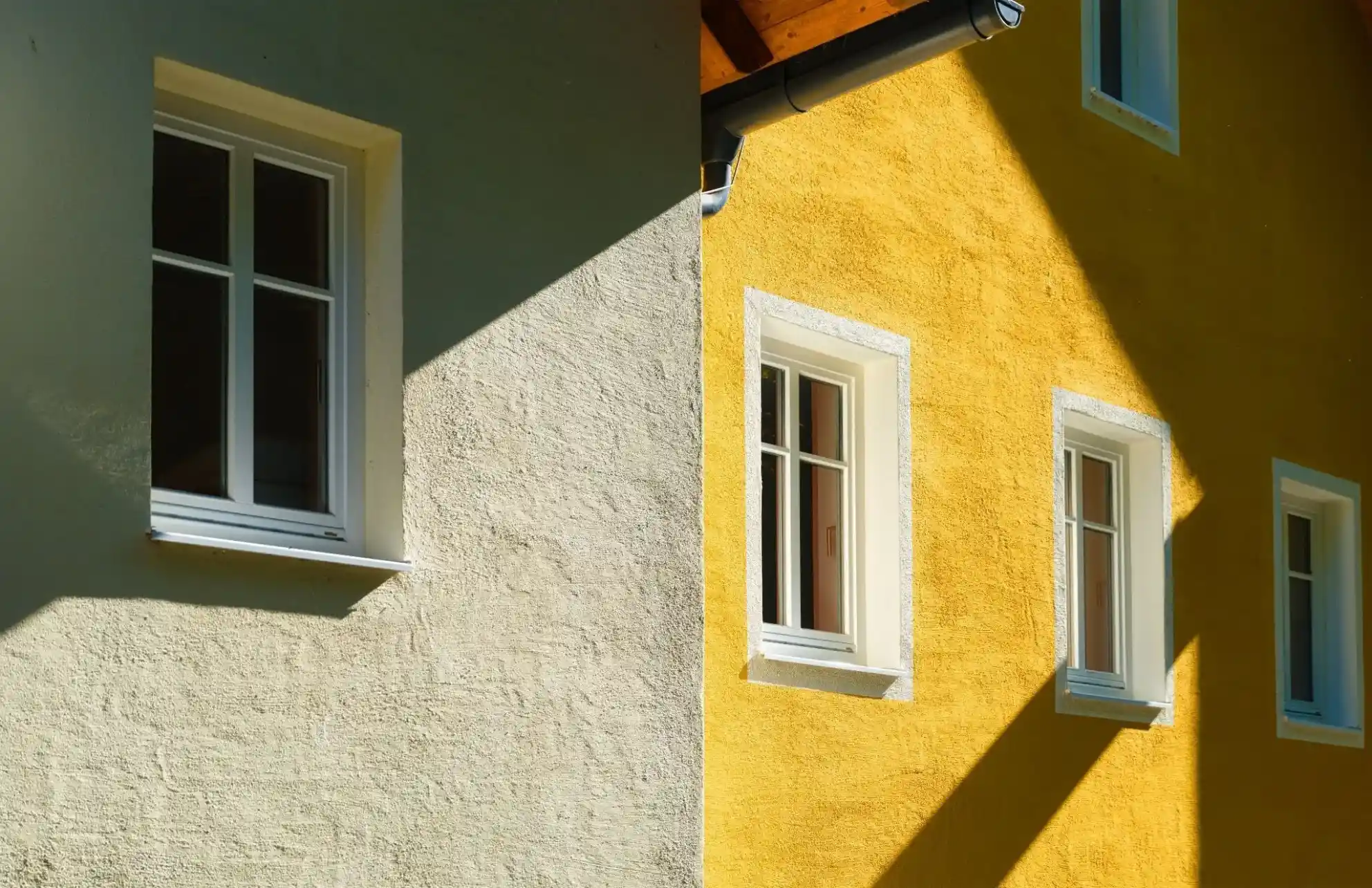
Color affects more than curb appeal in the desert. Light Reflectance Value (LRV) measures how much light a color reflects on a scale from 0 to 100. Higher-LRV colors reflect more sunlight and absorb less heat, which is why lighter shades are so common on Arizona stucco.
Stucco texture can make a color look different on the wall than on a paint chip, so test samples on the actual surface and check them in full sun. For color ideas, browse these modern stucco colors for Phoenix homes.
Homes in HOA communities often need color approval before repainting begins. Checking the approved palette first avoids having to redo the work later.
Painting Block Walls, Fences and Other Masonry
Stucco walls are rarely the only masonry around an Arizona home. Block walls, garden walls, and fences face the same sun, heat, and monsoon moisture, so proper preparation and coating selection matter just as much when painting block walls and fences in Arizona.
These surfaces also benefit from alkali-resistant, breathable masonry coatings. Several of the products above, including Loxon XP and Ultra Spec Masonry Elastomeric, list concrete block among their recommended surfaces.
When to Hire a Professional for Stucco Painting
Some stucco painting jobs are manageable for a handy homeowner. Others call for professional help, especially when the walls show widespread cracking, recurring peeling, efflorescence, or signs of water getting into the wall. Two-story walls and heavily textured surfaces also make the job harder.
Repair and painting work best as one coordinated project. In one Ahwatukee stucco repair and exterior painting project, Jr’s Painting repaired cracked and damaged stucco on a sun-damaged home, applied a primer designed to bond to chalky surfaces, and repainted with exterior paint suited to Arizona sun in HOA-compliant colors.
Frequently Asked Questions About Painting Stucco
Protect Stucco Before the Next Monsoon
Cracks, chalking, and monsoon damage are easier to fix when you combine repairs and painting. Homeowners across the Greater Phoenix area can schedule a free estimate for stucco repair and exterior painting and get a clear plan to protect their stucco through the heat and storms.
Contact our team today to request your free painting estimate and schedule your consultation.


