
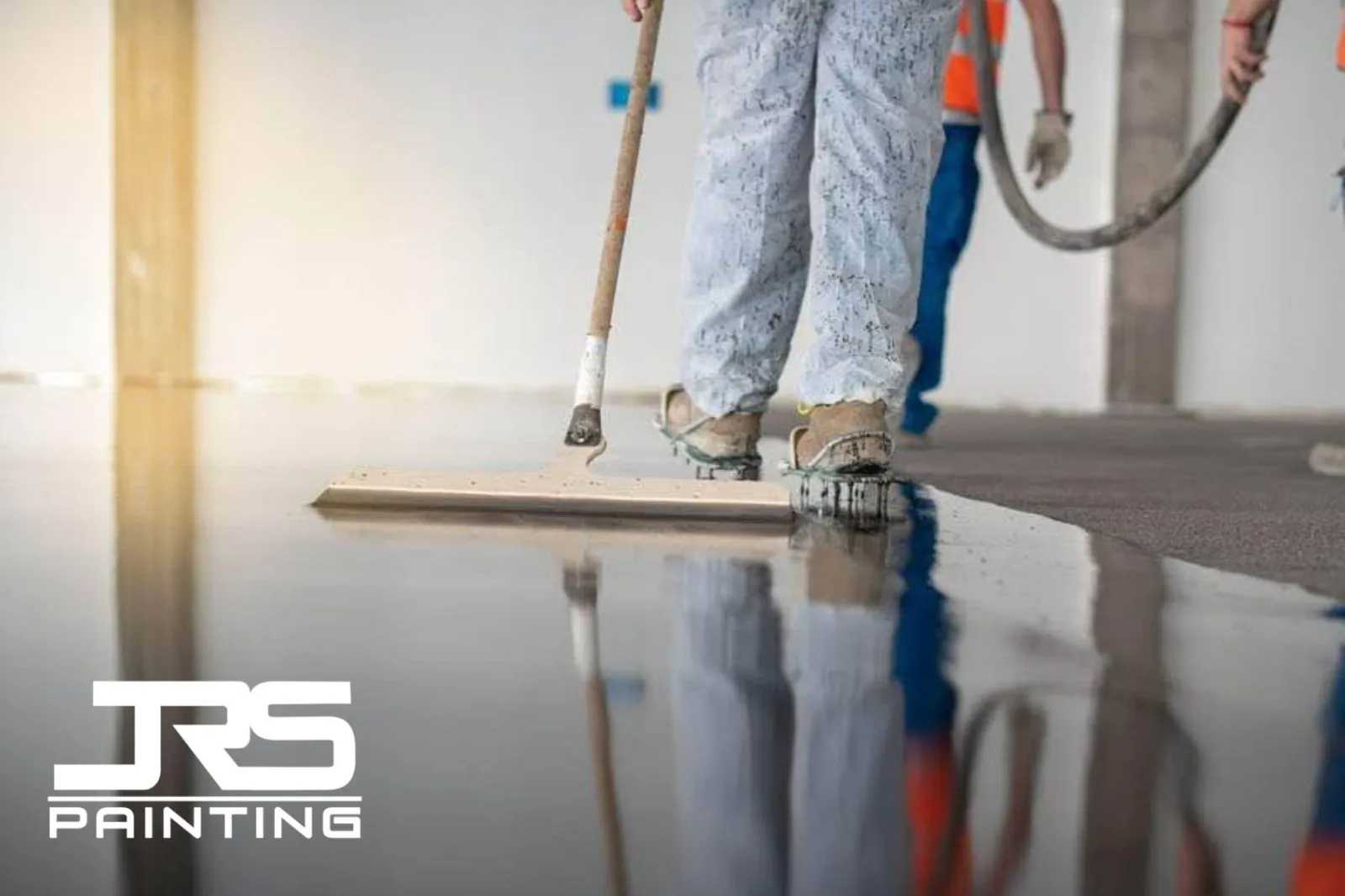
For most Phoenix-area homeowners, yes. A professionally installed epoxy floor coating is worth it in a garage because it seals porous concrete, resists oil and dust, and stands up to heat when the prep work and topcoat are done right.
That last part matters here. Phoenix averages 111 days a year at 100°F or hotter, based on National Weather Service data for 1991 to 2020. Add oil drips, desert dust, and monsoon mud, and bare concrete wears out fast. A bargain DIY kit can peel under the same conditions.
Here are five reasons a professional epoxy coating pays off, plus what to look for to make it last.
What Is Epoxy Floor Coating?
Epoxy floor coating is a two-part product. You mix a resin and a hardener right before application, and once you spread it over prepared concrete, the mix cures into a hard, protective layer.
It is not the same as garage floor paint, and the difference is bigger than most people expect (this guide to common paint types and their uses explains why each product has its place).
According to The Journal of Light Construction, two-part water-based epoxies provide “the greatest chemical resistance and protection against abrasion” among common garage floor coatings.
Most professional garage floor systems use more than one layer:
- Base coat: The epoxy layer that bonds to the concrete.
- Decorative flakes (optional): Colored chips broadcast into the wet base coat for texture and style.
- Topcoat: A clear protective layer, often polyurethane or polyaspartic, that adds UV and wear resistance.
In Arizona, that topcoat does a lot of the heavy lifting. Reason 1 explains why.
Reason 1: It Can Handle Arizona Heat When Installed Right
Heat is the first concern most Arizona homeowners raise, and it involves two separate problems.
Hot Tire Pickup
Hot tire pickup happens when a coating softens under hot tires and lifts off the concrete. After a summer drive, tires come home hot, and a coating that never bonded well can pull up as soon as the car is parked.
This usually signals a weak installation, not a flaw in every coating. The most common causes are poor surface preparation, moisture rising through the slab, and thin, low-quality products that soften easily. All three come down to product choice and installation, which is why surface prep determines how long any coating lasts, whether on a stucco wall or a garage slab.
Sun Exposure and Yellowing
Standard epoxy does not handle UV light well. A 2024 article in PAINT Magazine explains that traditional epoxies resist UV poorly and can yellow, and notes that polyurethane topcoats are often applied over epoxy to add UV protection.
This matters any time sunlight reaches the floor with the door open. The same intense sun that fades and breaks down exterior paint in Phoenix also affects garage coatings. When comparing quotes, ask whether the system includes a UV-resistant topcoat.
Reason 2: It Protects Your Concrete From Stains, Dust, and Monsoon Mess
Bare concrete is porous, so motor oil, gasoline, and other fluids soak in and leave stains that rarely come out completely. An epoxy coating seals the surface, so spills sit on top where they can be wiped away.
That makes everyday life easier in an Arizona garage. Oil drips clean up instead of setting in. Desert dust sweeps off a smooth floor far more easily than rough concrete. And when monsoon storms send mud and water in on the tires, the floor can be mopped instead of scrubbed.
Reason 3: It Gives You a Brighter, Cleaner, More Usable Garage
For many families, the garage is more than a place to park. It doubles as a workshop, home gym, storage area, or hobby space.
A coated floor makes that space feel finished. A glossy, light-colored coating reflects more light than plain gray concrete, so the garage looks brighter- the same idea behind choosing the right paint gloss level for a room. Color options and flake blends also let the floor match your style.
Many homeowners take it one step further and pair the new floor with freshly painted garage walls so the whole space feels like part of the house.
Reason 4: It Outlasts Floor Paint and Is Easy to Maintain
Garage floor paint forms a thinner film that wears faster under tires, tools, and spills. A two-part epoxy system cures harder and offers much stronger chemical and abrasion resistance, which is why it holds up better in a garage that gets daily use.
Upkeep is simple. Regular sweeping and an occasional mop keep the surface clean. How long the floor lasts depends on the product, prep work, traffic, and sun exposure.
Reason 5: It Adds Curb Appeal and Buyer Appeal
When the garage door is open, the floor becomes part of your home’s curb appeal. If you plan to sell, buyers will see the garage in listing photos and during showings.
A clean, coated floor shows the space has been cared for. Like a fresh exterior or updated cabinets, it is one finishing touch in a broader strategic painting plan that supports home value.
DIY Epoxy Kits vs. Professional Installation in Arizona
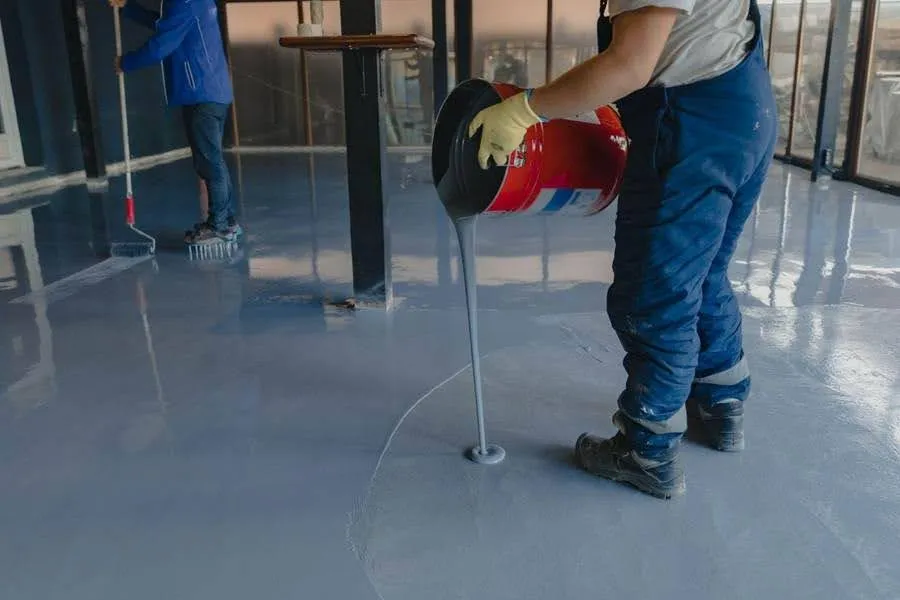
DIY kits are easy to find at any home improvement store, but Arizona weather makes them harder to get right.
Temperature limits. Every DIY epoxy kit lists an application temperature range on the label. In the Phoenix area, summer days often run well above what a typical kit allows, so always check the label before starting. Professionals approach this the same way they handle timing exterior painting around Phoenix heat.
Less working time. Epoxy starts hardening as soon as you mix the two parts, and heat speeds it up. Less working time raises the risk of streaks, thin spots, and uneven coverage.
Prep and moisture. Poor surface prep and slab moisture are two leading causes of hot tire pickup, as covered in Reason 1. ASTM D4263 is an industry standard test that tapes a plastic sheet to the concrete to check for moisture before coating. Skipping it can lead to adhesion problems later.
A professional installer plans around all of this: scheduling the work for the right time of day, grinding and prepping the concrete, checking for moisture, repairing cracks, and applying the right number of coats. It is the same reason hiring a licensed painter pays off on any project that needs to last.
What Affects Epoxy Garage Floor Cost in Phoenix?
Every garage is different, so pricing depends on the space. The main cost factors include:
- The size of the garage
- The condition of the concrete, including cracks or damage that need repair first
- The type of surface preparation needed
- The number of coats and whether decorative flakes are added
- The type of topcoat
The most reliable way to know the cost is an on-site estimate. For a broader look at how contractors price home projects, see this guide to residential painting costs.
Is Epoxy Right for Your Garage?
Epoxy is likely a good fit if you:
- Park in the garage every day
- Use the garage as a workshop, gym, or hobby space
- Have oil stains or worn concrete you want to cover
- Are getting your home ready to sell
- Want a floor that is easier to clean
If the slab has large cracks, uneven sections, or signs of moisture, it needs an assessment first. Address those issues before any coating goes down.
Frequently Asked Questions
Get a Garage Floor Built for Arizona
A professional epoxy floor coating protects your concrete, makes cleaning easier, and gives the garage a clean, finished look. In Arizona, the difference between a floor that lasts and one that peels comes down to proper prep and a coating system made for heat and sun.
Jr’s Painting has over 20 years of experience serving homeowners across the greater Phoenix area. The team is licensed, bonded, and insured, and offers epoxy floor coatings alongside interior and exterior painting, cabinet painting, and stucco and drywall repair.
Ready to upgrade your garage? Request your free estimate today.


